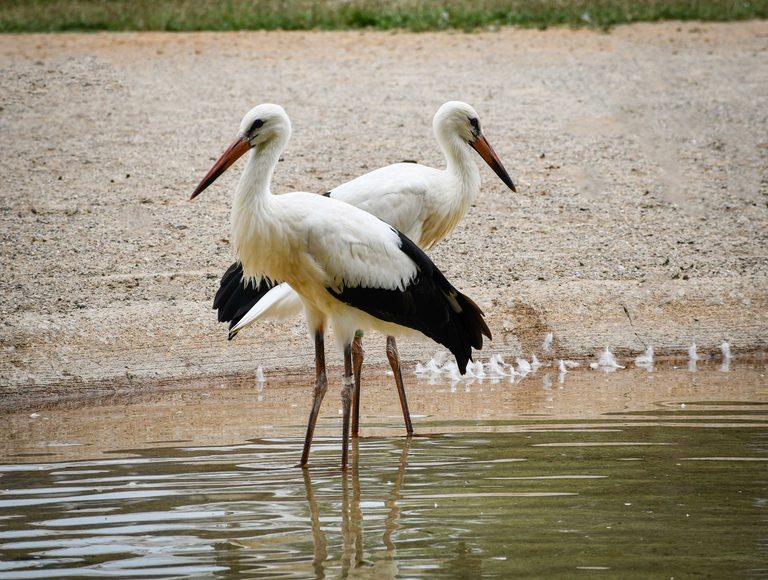
Louisville, Ky. – The Louisville Zoo announced that a 28‑year‑old female European white stork named Awan was found dead on Nov. 11 after testing positive for avian influenza, commonly known as bird flu. Her long‑time companion, a 27‑year‑old male stork named Cain, began showing symptoms of the disease and was humanely euthanized on Sunday while his test results are pending.
Long‑standing pair lost
“Awan and Cain have been together here at the Zoo for nearly 30 years. Losing them so suddenly is deeply felt by the animal care keeper teams who have known and cared for them over the years,” said Dan Maloney, director of the Louisville Zoo. This marks the first confirmed case of bird flu within the zoo’s bird collection.
Recent flu encounter prompts swift action
About three weeks earlier, staff discovered a wild Canada goose on zoo grounds that tested positive for the same virus. In response, the zoo temporarily closed several bird‑focused exhibits and instituted safety protocols. After a brief reopening, the new stork cases prompted the zoo to reinstate those closures and expand protective measures.
Exhibits closed and birds moved indoors
Public walk‑through aviaries—including Lorikeet Landing, the Forest Bird Trail, African penguin habitats in the Islands Pavilion, the Steller’s Sea Eagle Aviary, and areas surrounding the zoo lake—will remain closed until the threat subsides. Select bird populations are being moved indoors as a precaution, such as the flamingo flock, two American bald eagles, the little penguins, and other species.
Enhanced biosecurity protocols
Zoo staff and veterinary teams are employing heightened precautions, including continuous monitoring of all native and collection birds on the property. Animal‑care personnel are following strict biosecurity steps, such as using disinfecting footbaths or dedicated boot covers for specific animal‑holding zones, and assigning staff exclusively to indoor or outdoor bird care areas.
“Our crews are trained and prepared to respond to emerging health concerns. Protecting the animals in our care is at the heart of what we do every day, and we are committed to these additional measures as we respond to the current avian influenza threat,” Maloney added.
Impact on zoo programming
While the closures affect visitor access to several popular bird exhibits, the zoo says other animal schedules will remain flexible. Educational programs and other non‑bird attractions continue as planned, allowing families to enjoy the zoo while the institution works to safeguard its avian residents.
Community response
Local residents have expressed concern for the beloved storks, many of whom have visited the zoo for decades. Zoo officials encourage the public to stay informed through the zoo’s website and social‑media channels for updates on exhibit reopenings and ongoing health measures.
The Louisville Zoo’s proactive response underscores its commitment to animal welfare and public safety, reinforcing the institution’s role as a trusted community resource for wildlife education and conservation.
Original reporting: WLKY Louisville — read the source article.