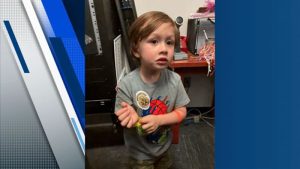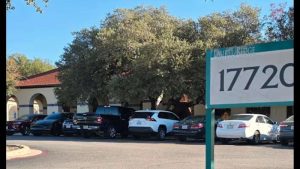
The Live Oak Police Department in Live Oak, Texas, reported a brief but intense search after a 3-year-old boy was found alone near Franz Leadership Academy on the 12300 block of Welcome Drive around 1:20 p.m. Officers cared for the child while they worked to find his parents, and the department later confirmed the boy was reunited with his family. The department is urging anyone who might recognize the child or know the family to contact their non-emergency line at 210-653-0033.
Officers discovered the young child on Thursday afternoon close to Franz Leadership Academy, a location that prompted immediate outreach to the community and a standard missing person check. When they couldn’t locate the parents or find any missing-child reports that matched the situation, police kept the child in their care while they followed up on leads. That kind of hands-on response is routine in Live Oak but always stresses how quickly a small moment can become a community concern.
Authorities described the boy as being found at approximately 1:20 p.m., which gave investigators a narrow window to retrace steps and canvas the area around Welcome Drive. School staff and nearby residents were likely asked if they had seen anything unusual, and officers on scene would have run checks to see if anyone in the area had reported a missing youngster. Those immediate, practical steps are designed to protect the child and reduce panic while officials work through the facts.
The Live Oak Police Department made a public appeal because there was no active missing-child report that matched the toddler’s description, and time was of the essence when it comes to locating his caregivers. The department left no stone unturned, relying on community tips, visible patrol presence, and standard investigative protocols to confirm the boy’s identity. Keeping the child safe until family connections were verified was the top priority from the outset.
Community response in these situations can be decisive, and officials asked anyone who recognized the child or knew his family to contact the department’s non-emergency dispatch at 210-653-0033 as soon as possible. Even minor details from neighbors or passersby can provide critical context that helps investigators piece together what happened. That phone line is how police prefer to field tips so they can prioritize and verify information correctly.
For parents and guardians, the incident is a reminder of small moments that can spiral in urban and suburban settings alike, where a child might wander or become separated in seconds. Local leaders and law enforcement often use these episodes to reinforce safety practices like secure yard gates, clear pick-up plans, and teaching kids basic identifying details about their home and guardians. These practical precautions don’t eliminate every risk but can reduce the chances that a short lapse becomes a public safety call.
While officers were caring for the boy, their tasks would have included basic welfare checks, attempts to identify guardians through ID or local databases, and outreach to nearby schools or daycares that might have records of the child. The presence of Franz Leadership Academy in the report simply points to where the child was found rather than implying the school was responsible. Police procedures in Live Oak focus on rapid verification of identity and swift reunification when possible.
The update from the Live Oak Police Department that the 3-year-old was reunited with his parents brings closure to what could have been an unnerving day for everyone involved. Reunification is the best outcome in these cases and reflects successful coordination between officers and the community. Even so, after-action reviews often follow to see what lessons can be learned and what communications worked best during the search.
Neighbors who watched officers move through the area that afternoon may have felt the usual mix of concern and relief when the department announced the reunion, and it’s common for residents to ask how they can help in future instances. Simple acts like sharing official notices, checking on neighbors with young children, and keeping an eye out for anything unusual around schools and parks are practical contributions. Community awareness remains one of the strongest assets for local police departments.
Live Oak officials tend to encourage parents to have quick contact plans in place so that a child can relay a phone number or family name if they become separated, and to teach kids how to approach a uniformed officer for help. The department’s suggestion to call 210-653-0033 for tips is part of that communicative approach, directing information to trained staff who can act on it appropriately. Public cooperation helps officers move from field care to safe reunification faster.
Police rarely release extensive personal details in these incidents to protect the child’s privacy, and that balance between transparency and discretion is standard practice across jurisdictions. The department’s public notice gave enough location and timing details to mobilize local awareness without compromising the child’s identity. It’s a careful line that departments like Live Oak’s walk to ensure safety while respecting family privacy.
Residents who may have been nearby on Welcome Drive or who noticed an unattended child around Franz Leadership Academy are the exact people police hope will come forward with information. Even seemingly small observations, such as the direction a vehicle left or a description of clothing, can help piece together the short timeline investigators are working to reconstruct. Police ask callers to give clear, factual details to the non-emergency dispatch at 210-653-0033 so responses can be prioritized effectively.
Although the case concluded with a positive reunification, it’s an example that underscores the value of vigilance and swift action by both citizens and officers. Live Oak’s quick response and the eventual family reunion illustrate how community and police collaboration can achieve the best outcome for a vulnerable child. The department continues to field questions and tips through its non-emergency line as it closes the official loop on the incident.