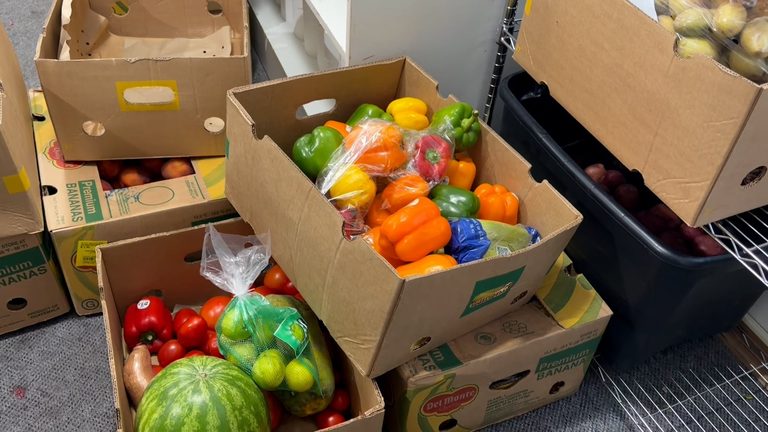
Lincoln, Neb. – In a move that tackles both food waste and hunger, the City of Lincoln has rolled out the Harvest for Hunger program. The effort encourages residents with garden surpluses to donate fresh fruits and vegetables directly to neighborhood food pantries.
How the program works
Gardeners sign up at ampleharvest.org, where they receive a list of participating pantries nearest to their homes. Once registered, volunteers can drop off their extra harvest at the designated locations, ensuring that fresh, nutritious food reaches families in need.
Roots in the Plant for Hunger campaign
The initiative builds on the earlier Plant for Hunger campaign launched in April 2026, which urged residents to plant more seeds with the goal of sharing the bounty. Harvest for Hunger expands that vision by creating a streamlined pathway from garden to pantry.
Public‑health and environmental benefits
Rachel Redepenning, a nutritionist and public‑health educator with the Lincoln‑Lancaster Health Department, called the program a “win‑win for Lincoln.” She emphasized that fresh produce is essential for a healthy diet and that food insecurity can affect anyone, especially new Americans who have lost access to SNAP and EBT benefits.
Willa DiConstanzo, Waste Diversion Coordinator for Lincoln Transportation and Utilities, highlighted the environmental impact. “We really want to feed people and not landfill,” she said, noting that nearly 40 % of food in the United States is wasted from farm to household. By diverting surplus garden harvests, the city reduces landfill load and supports its broader “Love LandPhil” campaign.
Pantry partners welcome donations
Local pantries have already expressed gratitude. Reverend Katherine Ebling‑Frazier, who manages a pantry at Connection Point Church, reported rising demand. “Our numbers have continued to go up,” she said, adding that many families have lost SNAP and EBT access. “When we get a cucumber, I literally rejoice because it might be the only cucumber we have for weeks,” she explained.
Getting involved
Residents interested in helping can register at ampleharvest.org, where they will find instructions, pantry locations, and volunteer guidelines. The city hopes the program will foster a spirit of neighborly compassion while addressing two pressing challenges: food waste and hunger.
Looking ahead
City officials see Harvest for Hunger as a model for other municipalities seeking practical, community‑driven solutions to food insecurity. By leveraging the city’s existing waste‑diversion infrastructure and the generosity of local gardeners, Lincoln aims to create a sustainable loop that feeds families and protects the environment.
Original reporting: KLKN-TV – News, Weather and Sports for Lincoln, Nebraska — read the source article.