Lincoln, Neb. – As the harvest season reaches its peak, local farmer Dave Nielsen is confronting a steep rise in diesel prices that could double his fuel costs. Nielsen, who operates two combines, several tractors, trucks and semi‑trailers, estimates he will spend between $1,000 and $1,500 each day on fuel to bring his crops in.
Fuel consumption spikes during harvest
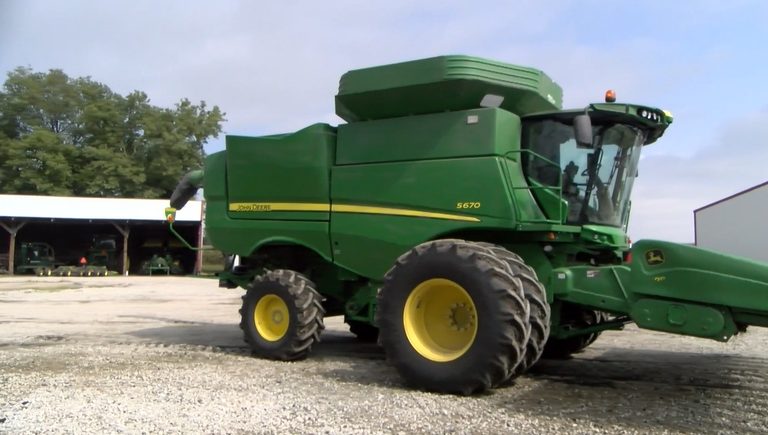
“The combine behind me here, you know, we’ll run 150 gallons a day through that thing when it’s pulling hard,” Nielsen explained. “We’re probably going to be spending a thousand to fifteen hundred dollars a day on fuel between the trucks, the tractors, semis running on the road, the two combines we have.”
Current quotes place dyed diesel – the low‑sulfur fuel used in farm equipment – at $5.62 per gallon, while road diesel delivered to the farm costs $6.18 per gallon. “I’ve never seen diesel over six dollars in my lifetime. I don’t know if I’ve seen it over five very often,” Nielsen said, noting the price surge is unprecedented for him.
Limited options for cost reduction
Despite the higher prices, Nielsen says there is little room to cut back during the critical harvest window. His combine runs from roughly 8 a.m. until 10 p.m., and the crop cannot wait for fuel prices to fall. “We can’t leave the crop in the field, you know, we’re not going to wait for fuel to go down. I mean, the crop needs to be taken out,” he said.
For Nielsen, the harvested grain represents his entire year’s income, making fuel an unavoidable expense. He wishes he had locked in a fuel contract earlier, before prices climbed, but acknowledges that many farmers face the same dilemma.
Impact on Nebraska’s agricultural economy
While Nielsen’s experience is personal, it reflects a broader trend affecting Nebraska’s farming community. Higher diesel costs increase the overall cost of production, which can squeeze profit margins for family farms that already operate on thin margins. The Nebraska Farm Bureau has warned that rising input costs, including fuel, could erode farm profitability if they persist.
Local agricultural extension agents advise farmers to explore fuel‑efficiency measures where possible, such as optimizing combine settings, maintaining equipment to reduce excess fuel consumption, and considering bulk fuel purchases when prices dip. However, Nielsen stresses that during harvest, the need to keep equipment running outweighs any short‑term savings.
Looking ahead
As the season progresses, Nielsen expects his fuel expenses to remain high, potentially doubling compared to previous years. He hopes that market forces will eventually bring diesel prices back down, but acknowledges that the timing is uncertain.
“It’s going to hurt,” Nielsen said, summarizing the challenge facing many Nebraska farmers this year. “We just have to get the crop out and hope the market helps us on the other side.”
Original reporting: KLKN-TV – News, Weather and Sports for Lincoln, Nebraska — read the source article.