With winter fast approaching, the Low Income Home Energy Assistance Program (LIHEAP) faces a shortfall that could force millions of families to choose between heat and other necessities. The National Energy Assistance Directors Association (NEADA) released new projections showing average heating costs this season will rise to $1,030 per household—$82 higher than last winter.
Projected Costs Outpace Benefits
NEADA’s data indicate that the average LIHEAP heating benefit paid in fiscal year 2025 was $467. If benefits remain at that level, families will need to cover more than $500 in additional heating expenses on their own. The organization warns that this gap could push many households into financial distress, leaving less money for food, housing, transportation and other essential needs.
NEADA Calls on Congress for a Funding Increase
To close the gap, NEADA is urging Congress to boost LIHEAP funding from the current $4 billion to $7 billion. “This is a warning that too many families are entering winter with no room left in their budgets,” said Mark Wolfe, executive director of NEADA. The association argues that a larger funding package would help families manage the surge in home‑energy costs and avoid falling behind on utility bills.
Regional Variations Highlight Need for Assistance
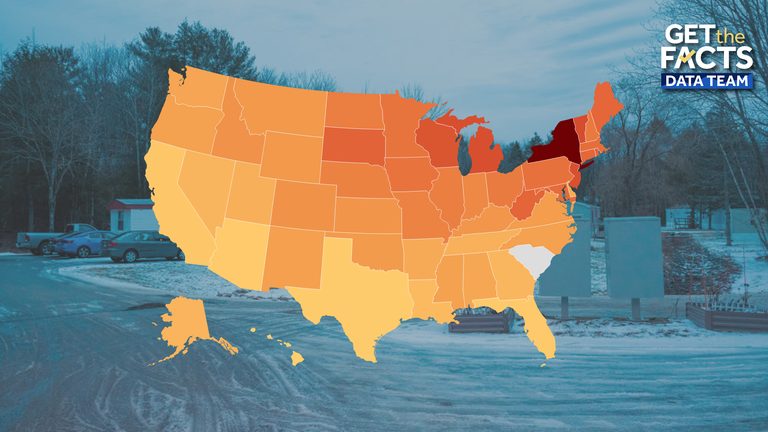
State participation in LIHEAP varies widely. New York leads the nation, with about 14 % of households receiving heating benefits in fiscal year 2025. Vermont and Michigan each report nearly 8 % enrollment. Alaska’s average household benefit tops the chart at $1,554, while New Hampshire follows with $1,045 per household—both states rely heavily on heating oil.
Households in the Northeast are projected to spend nearly $2,627 on heating oil from mid‑November through mid‑March. After LIHEAP assistance, many families could still face more than $1,000 in out‑of‑pocket costs.
Oil Prices and Global Conflict Drive Up Costs
The rise in heating expenses is tied to crude oil trading above $100 a barrel, a price level sustained by ongoing conflict in the Middle East that disrupts global oil supplies. Families that depend on heating oil are expected to see costs rise by roughly 50 % because of the war in Iran.
What Families Can Do Now
NEADA advises households to review their energy usage, explore weather‑proofing measures, and contact local LIHEAP offices early to confirm eligibility and benefit amounts. Early application can help ensure families receive the maximum assistance available before winter bills arrive.
As the season approaches, the pressure on low‑income families grows. Without additional federal support, the gap between rising heating costs and existing LIHEAP benefits may leave many households without adequate warmth, underscoring the urgent need for congressional action.
Original reporting: 40/29 / KHBS (NW Arkansas) — read the source article.