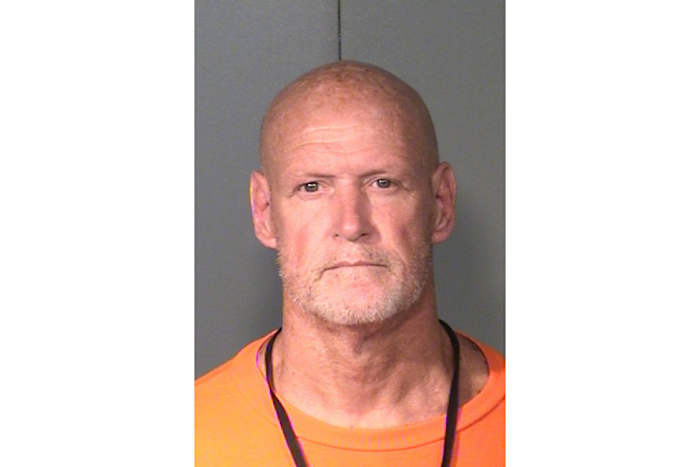
Leroy McGill, a 63-year-old Arizona inmate convicted in the 2002 killing of Charles Perez, was executed by lethal injection Wednesday, authorities said. The state carried out the sentence in what officials described as the first of three executions slated around the country this week. The case — a fiery attack in 2002 that left one man dead — returned to the spotlight as Arizona followed through on a sentence that has been years in the making.
McGill was convicted for an attack that prosecutors said involved throwing gasoline on another man and setting it alight, a crime that shocked the community when it happened. Courts ultimately handed down the death penalty, and the legal path from conviction to execution stretched across decades. That slow movement through the justice system is familiar in capital cases and frames a lot of the public debate.
Corrections officials confirmed the administration of a lethal injection on Wednesday, noting McGill was 63 years old at the time of the execution. Officials provided the basic facts around the procedure without releasing a flood of detail, as is often the case in state-run executions. States typically withhold some specifics for privacy and security reasons, while confirming the essential outcome.
This execution came amid a week with multiple death penalty cases on the calendar elsewhere in the country, underscoring how different states approach capital punishment at varying paces. When several executions are scheduled close together, it draws renewed attention to broader questions about the death penalty, the appeals process, and how long sentences take to be carried out. For people tracking criminal justice policy, those clustered schedules are reminders that capital punishment remains active in parts of the nation.
From conviction in 2002 to execution years later, McGill’s case traveled the familiar procedural road of trials, appeals, and reviews, the contours of which most death penalty cases follow. Defense teams often pursue every available legal avenue, while prosecutors and victims’ families press for enforcement of the sentence. That tug-of-war can stretch over years, producing long waits between the moment of conviction and the moment of execution.
Public reaction to executions tends to split along predictable lines, with some people saying justice has been served and others raising concerns about the morality and fairness of capital punishment. Victims’ relatives sometimes express relief or a sense of closure, while advocacy groups argue for abolition or at least moratoria pending reforms. Those opposing the death penalty cite risks of wrongful conviction, disparities in enforcement, and the ethical question of state-sanctioned killing.
Arizona is among the states that still carry out capital sentences, and lethal injection remains the primary method used there. Over the years, challenges to drugs, protocols, and procedures have reshaped how states plan and execute death sentences. Even without dramatic legal reversals in every case, those procedural fights often influence timing and public attention.
The facts of the 2002 killing — gasoline thrown and lit, leaving Charles Perez dead — remain stark and central to why McGill faced the death penalty. When violent crimes involve particularly brutal methods, prosecutors often push for the harshest punishments available under state law. That choice sets in motion a chain of legal steps that can take many years to run their course.
As McGill’s execution closed one chapter of a case rooted in a violent act in 2002, it also reopened long-standing debates about capital punishment, timeliness, and justice in the modern legal system. The execution is a concrete reminder that, even amid changing public attitudes and ongoing legal challenges, the death penalty remains an operational part of the criminal justice landscape in some states.