League City officials took decisive action this week to tighten control over the construction of data centers within the city limits. Until now, the city’s development code did not list data centers as a separate use category, meaning a developer could build one “by right” without any special review.
Council adopts amendment to unified development code
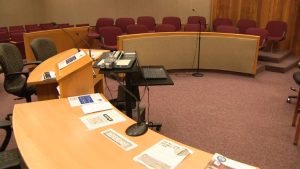
At the Oct. 27 meeting, the League City City Council voted unanimously to amend the unified development code, adding a requirement that developers secure a special use permit before proceeding with a data center project. The special use permit must be approved by the council after a public hearing, giving elected officials the ability to evaluate each proposal on its merits.
Mayor Nick Long explained the motivation behind the change, noting a growing national conversation about data centers and their impact on local communities. “In doing some research about our own standards for data centers, we noticed that we really didn’t have anything that would prevent somebody from building a data center by right in certain pieces of property across League City,” Long said.
Planning and Zoning Commission backs the move
The amendment received a unanimous recommendation from the Planning and Zoning Commission on Oct. 19, signaling broad support among city staff and planners. After the council’s initial vote, a second vote on the first and final reading passed 7‑1, eliminating the need for a further council vote at the Nov. 17 meeting.
Councilmember Tom Crews cast the lone dissenting vote, urging the city to add clearer regulatory language addressing potential impacts such as water consumption and noise before the ordinance moves forward. Crews warned that without specific standards, the city could be left without adequate tools to protect residents.
Other council members pushed back against Crews’ suggestion, arguing that overly prescriptive rules could create a rigid “checklist” that stifles flexibility. Councilmember Chad Tressler warned, “There is a high potential for change in what a data center is and how it operates. Trying to pre‑plan around that change would be problematic.”
What the new permit process means for developers and residents
Under the new ordinance, any developer seeking to build a data center must submit a special use application that details projected water usage, noise levels, traffic impacts and other community considerations. The application will be reviewed publicly, allowing neighbors to voice concerns and ensuring transparency.
Mayor Long emphasized that the amendment is not intended to block data center development outright, but to ensure that projects are evaluated case‑by‑case with the community’s best interests in mind. “We want to protect our neighborhoods while still encouraging responsible economic growth,” he said.
State‑wide context
The move comes as the Texas Commission on Environmental Quality (TCEQ) recently shut down its electronic filing portal for certain environmental permits, after watchdog groups alleged the agency violated a Gov. Greg Abbott order by processing dozens of data‑center permit applications. While the TCEQ issue is a separate matter, it underscores the growing scrutiny of data‑center projects across Texas.
League City’s amendment aligns the city with other municipalities that are tightening zoning and permitting requirements for high‑intensity facilities. By requiring a special use permit, the council gains a tool to balance economic development with the preservation of quality‑of‑life factors that matter to families and faith‑based communities.
Next steps
The ordinance is now law, and the city will begin accepting special use applications for data centers immediately. Residents who wish to stay informed about upcoming proposals can monitor council meeting agendas and attend public hearings when they are scheduled.
League City’s proactive approach demonstrates a commitment to thoughtful growth, protecting water resources, limiting noise, and preserving the character of neighborhoods that families call home.
Original reporting: Community Impact — Houston — read the source article.