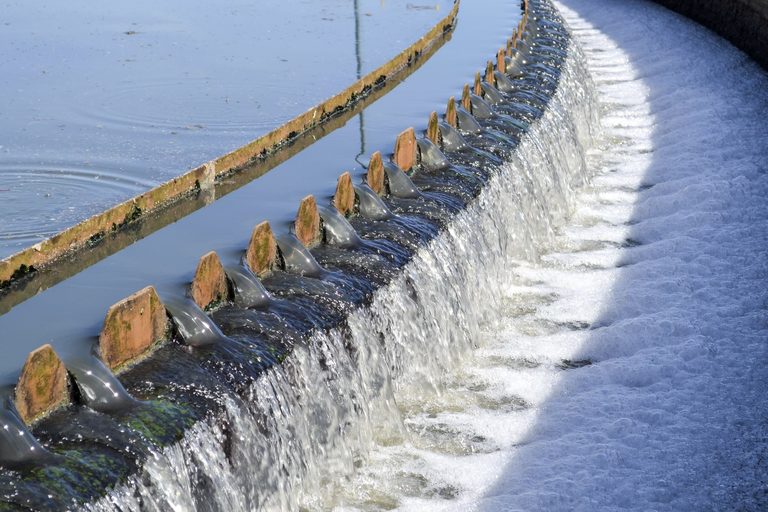
League City officials took decisive action on Oct. 27 to secure the future of the city’s water infrastructure. In a unanimous vote, the City Council approved combined contracts worth at least $86 million for the expansion of the Southwest Water Reclamation Facility, the plant that serves the city’s growing southwest side.
Why the expansion is needed
Built in 2012, the facility currently treats about four million gallons of wastewater each day. City planners project that new residential and commercial development west of I‑45 will push demand well beyond that level. To keep pace, the city intends to raise the plant’s daily capacity to six million gallons, with a long‑term goal of handling up to twelve million gallons per day.
Project details
The $86 million contract was awarded to two firms: Fort Worth‑based consulting firm Freese and Nichols and Houston‑based CSA Construction. The upgrades will include a brand‑new aeration basin, a lift station, a UV disinfection channel, extensive electrical work, and modernized control systems. City Manager John Baumgartner explained that the improvements will also allow the plant to accept some flow from the larger Dallas Salmon Wastewater Treatment plant on the city’s east side, further enhancing regional resilience.
Funding and impact
Baumgartner noted that the project represents “probably the most expensive capital improvement project we’ve ever done in League City,” but emphasized that the majority of the cost will be covered by capital recovery fees rather than general‑purpose taxes. By expanding capacity now, the city aims to avoid costly retrofits later and to support the anticipated population growth—League City’s population is approaching 118,000 and the community is only about 40 % built out.
What this means for residents
For homeowners and businesses, the upgrade promises more reliable wastewater service as the city continues to attract new development. The added capacity also positions League City to better manage storm‑water events and protect local waterways, aligning with broader regional water‑quality goals.
Next steps
Construction is slated to begin later this year, with the city monitoring progress through regular updates to the council and the public. Residents can expect temporary disruptions typical of large‑scale infrastructure projects, but officials assure that the long‑term benefits far outweigh short‑term inconveniences.
League City’s proactive investment in its water treatment infrastructure reflects a commitment to responsible growth, fiscal prudence, and the well‑being of its families and neighborhoods.
Original reporting: Community Impact — Houston — read the source article.