Mertztown, Pa. — For more than a decade, a mother‑daughter duo has turned a modest facility in Berks County into a sanctuary for Pennsylvania’s beloved “sky puppies.” Debra Boyer, clinic manager, and her daughter, founder Steph Stronsick, lead the Pennsylvania Bat Conservation & Rehabilitation Center, where they rescue, treat and release hundreds of bats annually.
Family‑run rescue effort
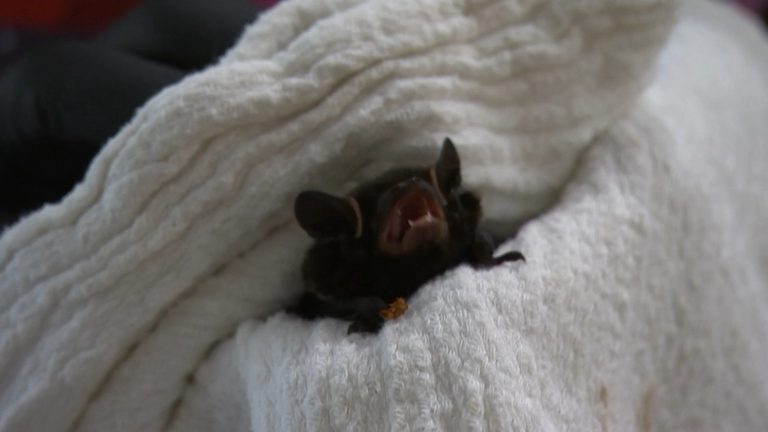
“They’re really not that scary,” Boyer says, smiling as she watches an eastern red bat settle into a roost. The pair’s hands‑on approach reflects a deep Christian conviction to care for God’s creation. “I just liked doing it, you know? I started watching what she was doing and I got involved from there,” Boyer adds.
Rescue numbers and research partnerships
Stronsick, who serves as president of the center, reports that the facility rehabilitates more than 400 bats a year. In addition to direct care, the center conducts ethical research in partnership with state agencies and universities such as the University of Pennsylvania, Penn State and Rutgers. These collaborations aim to understand the environmental impact of bat declines and to develop strategies that protect both wildlife and agriculture.
Why bats matter
“They’re incredibly beneficial for the environment,” Stronsick explains. Species like hoary bats and big brown bats consume vast numbers of agricultural and forest pests, reducing the need for chemical pesticides. By restoring healthy bat populations, the center supports farmers, protects crops and upholds the biblical principle of stewardship over the land.
From fruit bats to “sky puppies”
The center also houses a small group of retired Egyptian fruit bats, described as “very social” and intelligent. “We have 21 of them – it’s a cauldron of bats,” Stronsick jokes, noting that these bats enjoy a diet of fresh fruit and vegetables, with red grapes and bananas as favorites.
Rehabilitation in action
Each rescued bat receives individualized care. Boyer notes that many arrive with broken wings or head trauma. “A lot of these bats have problems with their wings, broken wings, or head trauma,” she says, describing the painstaking process of feeding them mealworms and monitoring their recovery. When permanent neurological damage is present, the bats become permanent residents used for educational outreach, reinforcing the center’s mission to teach the public about wildlife.
Success stories and community outreach
Recent releases include an eastern red bat that Boyer proudly sent back to the wild, calling the experience “very rewarding.” The center encourages locals who find injured bats in attics or outdoors to call its hotline at 484‑908‑0231. While the facility does not welcome visitors, it shares videos and updates on its Facebook and Instagram pages, inviting community support through donations.
Faith, family and the future
Both Boyer and Stronsick stress that bats are “misunderstood” rather than frightening. Their work exemplifies how families can serve their neighborhoods by protecting God‑created creatures and preserving the natural balance that benefits farmers and families alike. As the center looks ahead, the duo hopes to expand their research partnerships and continue rescuing more “sky puppies” for the good of Pennsylvania’s ecosystems.
Original reporting: Allentown News – 6abc Philadelphia — read the source article.