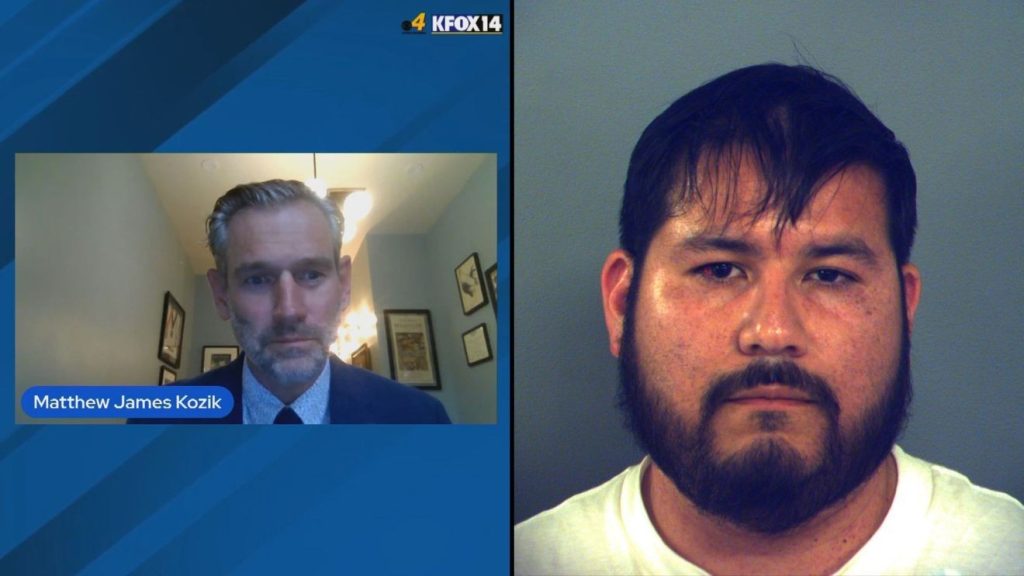

An arrest of an El Paso Community College professor went viral and prompted an attorney to outline what people should and should not do after an arrest. The guidance aims to help people protect their legal rights and avoid actions that could make matters worse.
The video’s wide circulation raised questions about how public attention can affect a case. When an arrest becomes public online, it can shape opinions before a court hears facts. That makes smart choices after an arrest even more important.
The attorney’s main points focus on immediate steps: stay calm, do not resist arrest, and tell officers you want an attorney. Asking for a lawyer is a clear right. Saying little and avoiding detailed statements to police without a lawyer present are common and sensible pieces of advice.
Another key warning is about social media and public comments. Posting about an arrest, sharing opinions, or commenting on the viral video can harm a case. The attorney stressed that public posts can be used by prosecutors and others as evidence.
Work and campus consequences were also a concern. An arrest that goes viral can affect a person’s job, reputation, and school standing even before legal issues are resolved. Those facing such situations should speak with an attorney about both criminal and employment implications.
Legal experts remind the public that each case is different. If you or someone you know faces arrest, consult a lawyer quickly. A lawyer can offer advice tailored to the facts and help navigate the court process while managing public fallout.