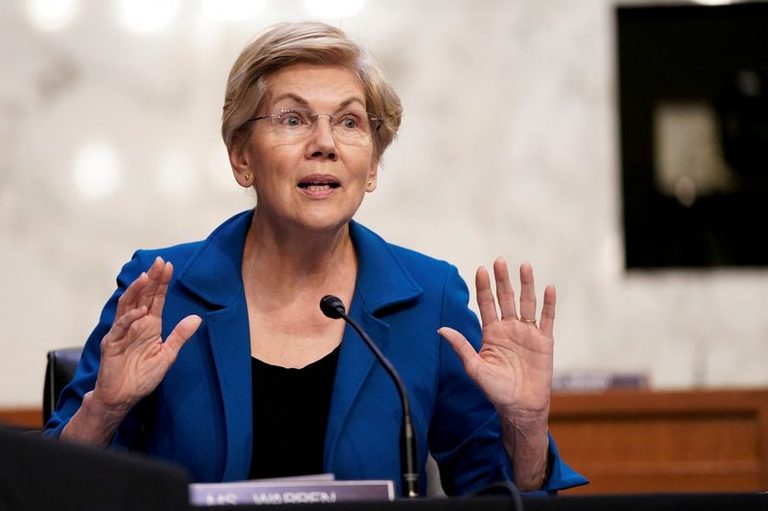
WASHINGTON — A coalition of federal lawmakers, led by Sen. Elizabeth Warren (D‑MA), has formally asked the Federal Energy Regulatory Commission (FERC) to deny a proposed $33.4 billion acquisition of electricity generator AES Corp. by BlackRock’s Global Infrastructure Partners, together with EQT and other investors.
Letter outlines consumer‑impact worries
The letter, dated Sept. 28, argues that moving a public utility into private‑equity hands could raise electricity rates at a time when American households are already confronting record‑high utility bills. Lawmakers also warned that the deal could give large data‑center operators an unfair advantage, allowing them to benefit from lower power costs while ordinary utility customers shoulder higher charges.
Deal details and market context
BlackRock’s Global Infrastructure Partners, EQT and additional investors agreed in March to purchase AES, a multinational power company, in a transaction valued at roughly $33.4 billion, including debt. The deal ranks among the largest recent mergers in the power sector, reflecting a broader wave of consolidation as electricity demand surges, driven largely by the rapid expansion of energy‑intensive data centers.
Lawmakers’ rationale
“The private‑equity industry’s involvement in the public utility market has significant implications for consumers’ energy costs at a time when Americans are facing record‑high utility bills,” the lawmakers wrote, directing the appeal to FERC Chairman Laura Swett. The signatories contend that private‑equity owners typically prioritize profit over public service, potentially leading to cost‑cutting measures that could compromise reliability or increase rates.
Regulatory backdrop
FERC is responsible for reviewing major utility transactions to ensure they serve the public interest. In recent years, the commission has faced heightened scrutiny over proposals that could concentrate ownership of essential infrastructure in the hands of a few large investors.
Industry perspective
Proponents of the acquisition argue that private‑equity capital can bring operational efficiencies and investment needed to modernize aging power assets, especially as the grid adapts to higher demand from data centers and other high‑consumption users. They also note that the deal would keep AES’s existing management team in place, preserving continuity for customers.
What’s at stake for consumers
If the transaction proceeds, AES’s roughly 2.5 million customers across the United States could see changes in rate structures, service agreements, and investment priorities. Critics fear that the new owners might prioritize high‑margin industrial customers, such as data‑center operators, over residential ratepayers.
Next steps
FERC is expected to hold a public hearing on the proposal later this year. Lawmakers have pledged to monitor the process closely and will continue to advocate for safeguards that protect consumers from undue rate increases.
While the outcome remains uncertain, the letter underscores a growing bipartisan concern that essential utility services should remain accountable to the public, not solely to private investors seeking financial returns.
Original reporting: Appleton, WI News Feed (HLL/CB) — read the source article.