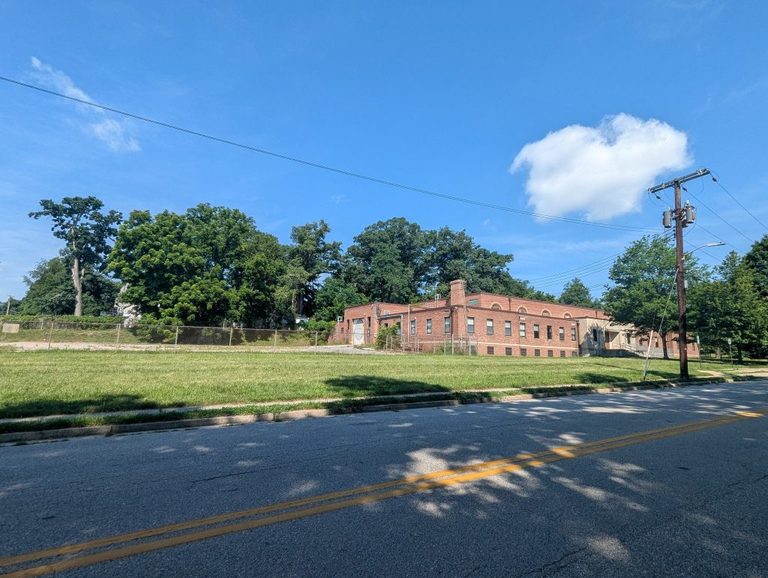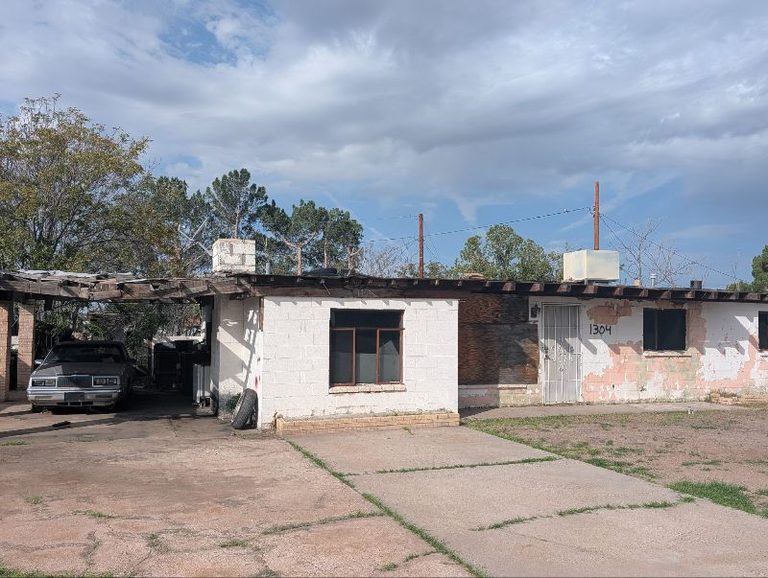
On October 28, the Las Cruces City Council voted to adopt the Vacant and Abandoned Property Maintenance Ordinance, a new municipal code designed to curb the blight caused by long‑term empty homes and commercial spaces. The ordinance targets properties that have not been lawfully occupied or operating for at least two consecutive years.
Key requirements for owners
Under the new rules, owners of residential or commercial properties that meet the two‑year vacancy threshold must register each property with the City’s Community Development Department on an annual basis. The registration process will be conducted through an online public registry, where owners must provide up‑to‑date contact information and a written plan describing how they will keep the property in compliance with city standards.
Annual registration fees will be assessed based on the length of time a property remains on the registry. The longer a property sits vacant, the higher the fee, creating a financial incentive for owners to act quickly.
Fee exemptions and historic preservation
The ordinance includes several pathways for fee relief. Property owners who take qualifying steps toward construction, rehabilitation, sale or leasing may receive temporary fee exemptions. Likewise, owners who partner with the city to preserve historic properties that meet the city’s preservation criteria can also qualify for exemptions, subject to city approval.
Owners who disagree with a vacancy assessment or an exemption decision may request a formal review, ensuring due process and transparency.
City’s goals and community impact
City officials said the ordinance is intended to strengthen owner accountability, reduce the negative effects of neglected properties, and encourage reinvestment in existing neighborhoods and commercial districts. By addressing vacant structures, the city hopes to improve public safety, protect property values and foster a sense of pride among residents.
“Through these requirements, the City aims to strengthen owner accountability, reduce the impacts of neglected properties, and encourage reinvestment in existing neighborhoods and commercial areas,” the city’s press release stated.
What this means for Las Cruces residents
Neighborhoods that have struggled with abandoned houses or storefronts can expect a more proactive approach from city officials. The public registry will allow residents to see which properties are under the ordinance’s purview, creating greater transparency and community oversight.
Local business owners and landlords are being urged to review their property portfolios and consider early action to avoid escalating fees. The ordinance also aligns with broader city revitalization efforts, including streetscape improvements and new housing initiatives.
Next steps
The ordinance takes effect immediately, with the first registration cycle slated to begin in the coming weeks. Property owners are encouraged to contact the Community Development Department for guidance on compliance and to explore exemption options.
City Council members will monitor the ordinance’s impact and may adjust fee structures or exemption criteria based on feedback from property owners and community stakeholders.
Original reporting: El Paso News (HLL/CB) — read the source article.