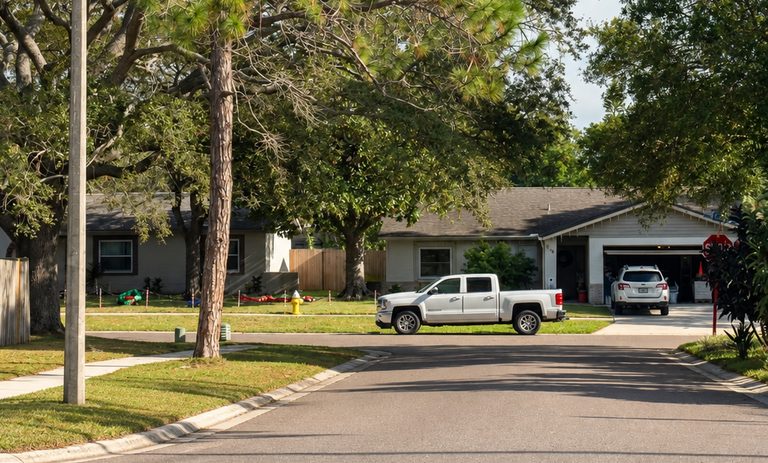
Largo City Commissioners voted unanimously on Tuesday to adopt a comprehensive ordinance that will bring short‑term vacation rentals under tighter city control. The new rules target homes and condos that are rented repeatedly for stays of less than a month, a growing source of neighborhood complaints about noise, parking congestion, trash and overcrowding.
Key requirements of the ordinance
Under the ordinance, a short‑term rental is defined as any residential property rented more than three times in a year for stays shorter than 30 days, or advertised as a place regularly rented to guests. The definition captures the typical Airbnb and Vrbo listings that range from modest apartments to large family‑sized homes.
Every short‑term rental will now be required to:
- Register annually with the city and pay a $600 registration fee.
- Pass an initial safety inspection by the Community Standards staff and the Fire Department’s Risk Reduction Division, with follow‑up inspections at each renewal.
- Maintain a state lodging license and attest that required taxes are being collected and remitted.
- Provide a designated responsible party who is reachable 24 hours a day and can reach the property within two hours of a problem.
- Submit a parking plan and provide one off‑street parking space for every three guests; street parking does not count toward this requirement.
- Observe occupancy limits of one person per 150 square feet of permitted living space.
Funding and enforcement
City officials say the $600 fee is designed to cover staffing, equipment and software needed to run the program without shifting costs to taxpayers. City Manager John Curp noted that the fee structure was built specifically to fund enforcement personnel.
“We have the resources to enforce this,” Curp said. The city has already hired one enforcement officer and posted a second position. Staff are also close to selecting software that can locate short‑term rental listings, maintain registrations and track violations.
Enforcement focus
Commissioner Michael DiBrizzi emphasized that the success of the program will hinge on aggressive enforcement. “This whole thing is going to come down to enforcement,” he said. Several commissioners pushed for night‑and‑weekend coverage, noting that many noise and party complaints arise outside normal business hours.
Vice Mayor Chris Johnson warned that without dedicated after‑hours staff, the city’s efforts could fall short. “If we don’t have that coverage, it’s just not going to happen the way we want it to,” he said.
Police Chief Mike Loux explained that while officers already respond to loud parties and parking disputes, those calls compete with emergencies and higher‑priority incidents.
Legal backdrop
Florida’s 2011 preemption law bars cities from adopting new rules that prohibit vacation rentals or limit how often they can be rented, but it allows regulations that were in place before June 1, 2011 to remain. Largo’s new ordinance focuses on registration, inspections, parking and nuisance enforcement—areas the city argues remain within its authority.
City Attorney Sarah Allen noted that the state law gave municipalities little time to react when it took effect, leaving many cities without the tools they needed to address problem rentals.
Next steps
The city plans to begin notifying owners and rolling out registrations in November, with full implementation slated for January 1, 2027. Residents who have long urged action hope the new tools will quickly target repeat offenders.
“End of the day is action and teeth,” said Dagan Harris, speaking for a group of concerned neighbors. “Quit talking about it and do something.”
Original reporting: St. Pete Catalyst — read the source article.