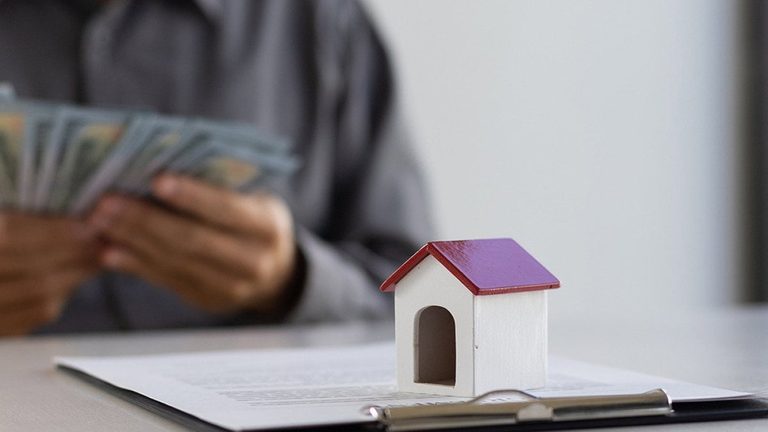
Rent increases are not the only way for landlords to improve cash flow. In fact, the national rental vacancy rate has increased to 7.3% since 2022, making it a competitive market where renters are price sensitive. Instead, landlords can focus on improving payment systems and maintenance to increase cash flow.
Improving Payment Systems
A significant factor in a landlord’s monthly cash flow is whether rent is paid on time. According to a June 2026 RentRedi report, independent rental owners see an on-time payment rate of about 83.8%, meaning roughly 15 out of every 100 rent payments arrive late. Landlords can improve this by allowing tenants to pay digitally, which is preferred by 92% of renters. Digital payments are typically available in the landlord’s account within one to three business days, reducing the risk of lost or delayed payments.
Maintenance and Cost Savings
Maintenance is one of the largest and most unpredictable costs a landlord faces. However, scheduled maintenance can help prevent costly repairs. Servicing HVAC systems twice a year, inspecting plumbing and roofing, and making it simple for tenants to submit maintenance requests can all help reduce costs. Additionally, using rental management platforms that maintain their own networks of pre-vetted vendors can provide significant cost savings.
Outsourcing Management
For many independent landlords, the largest cash flow opportunity is not in raising rent, but in reducing the cost of outsourcing management. Professional property management typically runs 8% to 12% of the monthly gross rent per unit, plus additional fees for leasing, lease renewal, and maintenance. By streamlining management and maintenance, landlords can increase their cash flow without raising rent.
Original reporting: KTVZ (Central Oregon) — read the source article.