Lakeway, Texas – As the community approaches full buildout, city leaders are shifting focus from new land development to revitalizing existing commercial properties and offering targeted incentives to keep the local economy vibrant.
Budget pressures drive new approach
Lakeway’s fiscal year 2027 budget began with an estimated $1.6 million shortfall. In 2021, building‑and‑development services (BDS) generated $2.9 million, about 20 % of the city’s operating revenue. By the end of fiscal year 2026 that figure had fallen to $914,927, reflecting a broader slowdown in large‑scale projects.
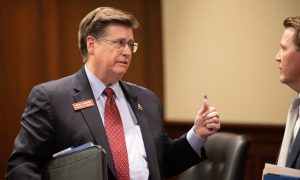
Assistant City Manager Ashby Grundman explained, “The past two years, as we get built out, we have seen the trend of declining BDS revenues. It’s really impacted our budget because those larger scale developments haven’t come through.”
Limited land and higher financing costs
Developers cite two main obstacles: a shrinking pool of developable land and rising national interest rates. Commercial parcels are often costly to build on due to challenging topography and utility constraints. Local real‑estate broker Guy Oberg added, “The whole national real estate market overall is slow. Banks are being very conservative right now.”
Economic‑development incentive policy
In June, the Lakeway City Council approved an economic‑development incentive policy that allows the city to return a portion of future tax revenue to qualifying projects. To qualify, a development must demonstrate clear benefits such as increased sales or property taxes, revitalization of underused sites, or enhancement of Lakeway’s appeal as a tourist destination.
Grundman said, “We passed the economic development incentive policy earlier this year, letting businesses know that we’re open for business. We’re wanting to work with businesses that will help generate sales tax.”
Local campaigns and signage updates
The city also updated its sign ordinance, permitting larger, more colorful signage, and launched the “Loyal to Lakeway” campaign to encourage residents to shop locally. Grundman noted that keeping sales tax within the community can help lower property‑tax rates.
Flagship project: The Square at Lakeway
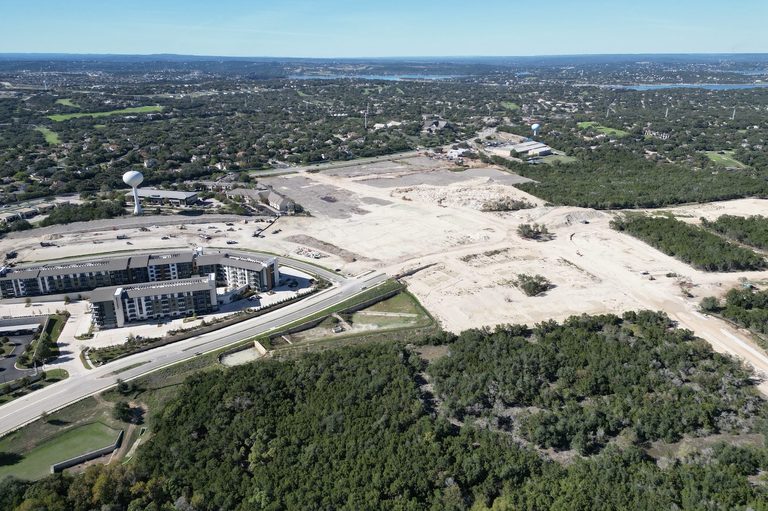
One of the first developers to seek the incentive is The Square at Lakeway, a mixed‑use plan featuring restaurants, shops, residential units, and a Main Street‑style hub. Legend Communities, the developer behind Rough Hollow, has been pursuing the project since 2012 and received initial city approval in 2021.
Founder Haythem Dawlett said rising construction costs, higher interest rates, and limited capital have created feasibility challenges. In July he requested a $37 million incentive agreement spanning 25 years. The agreement would be funded solely from new tax revenues generated by the project, with the city retaining portions of both property and sales taxes. Projections show the city could retain about $39.5 million while paying roughly $36.5 million to the developer over the term.
Looking ahead to redevelopment
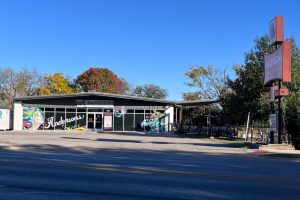
With little undeveloped land left, officials expect a shift toward redeveloping existing commercial and residential sites. Oberg noted that Lakeway’s retail market remains strong, with few vacant storefronts and many residents preferring to shop locally rather than travel to Austin.
Grundman anticipates a “big redevelopment push” over the next five to ten years, saying, “Lakeway has been around as a city since the ’60s… we’re probably going to see a lot of tear‑downs and rebuilds.”
Next steps
City Council has not yet voted on the incentive agreement for The Square. Grundman warned that without the incentive, the project may need to be scaled back, potentially lowering the property’s assessed value. Infrastructure work on water, wastewater and roads is already underway, with Main Street slated for completion in spring 2027.
Lakeway’s proactive stance—combining incentive tools, local‑shopping campaigns, and updated signage—aims to sustain the city’s fiscal health and preserve its high quality of life even as new land development slows.
Original reporting: Community Impact — Austin — read the source article.