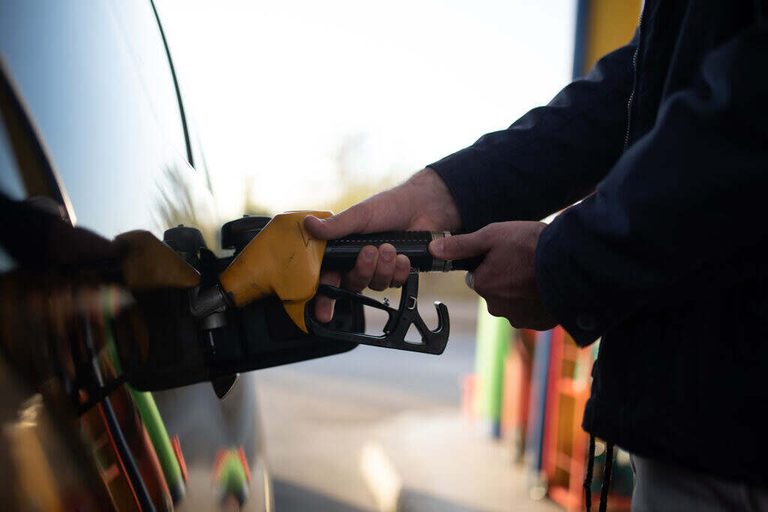
South Carolina drivers are seeing a modest drop in gasoline costs as the Thanksgiving travel rush begins. According to the American Automobile Association, the national average price for regular unleaded gasoline fell to $3.5866 per gallon on Wednesday, November 25, 2026 – a 4.36% decline from the previous week and 16.38% lower than a month ago. While still well above pre‑war levels, the dip provides some breathing room for families heading out of town.
State‑level price trends
In the Palmetto State, the price of regular unleaded gasoline is tracking the national trend. A gallon in South Carolina cost $3.1645 on Wednesday, down 4.89% from the prior week and 16.36% lower than a month earlier. This places South Carolina drivers only slightly ahead of the national average, but still above the historic Thanksgiving baseline.
Diesel prices, however, remain elevated. AAA reports a diesel price of $5.7645 per gallon on Wednesday – a 3.27% drop from the previous week and 9.18% lower than a month ago. Yet diesel is still up 52.28% compared with the same time last year, a factor that continues to pressure supply‑chain costs as holiday shopping ramps up.
Impact on families and the economy
The higher cost of fuel has taken a heavy toll on household budgets. A Brown University analysis estimates that American consumers have spent an additional $165.64 billion on fuel since the war with Iran began in February 2026 – roughly $1,264.45 per household over eight months. In South Carolina, residents allocate an estimated 2.82% of their income to gasoline, surpassing the national average of 2.28%.
These expenses have strained family finances throughout the holiday season, prompting calls for tax relief. Newly elected state leaders, Senator‑elect Annie Andrews and Governor‑elect Alan Wilson, campaigned on temporary suspensions of federal and state gas taxes. Wilson has also suggested granting future governors the authority to unilaterally suspend state fuel taxes during emergencies.
Political roadblocks
Despite the campaign promises, delivering tax relief faces significant hurdles. Institutional resistance in Washington, D.C., and within the South Carolina legislature has historically pushed back against measures that would allow citizens to retain more of their own money. While neighboring Georgia and North Carolina have already implemented state fuel‑tax suspensions, South Carolina’s Republican‑led State House has declined to consider similar rebates, a decision that critics say has jeopardized jobs for many families.
The new bipartisan majorities in both the state and national capitals will soon confront these challenges. Their actions will determine whether South Carolina families see tangible relief at the pump or continue to shoulder the burden of elevated fuel costs.
Looking ahead
As Thanksgiving travel continues, motorists can expect prices to remain volatile. The recent declines suggest a possible easing, but diesel’s steep year‑over‑year increase signals that supply‑chain pressures may persist. Residents are encouraged to monitor local price reports and stay informed about any legislative developments that could further affect fuel costs.
Original reporting: FITSNews — read the source article.