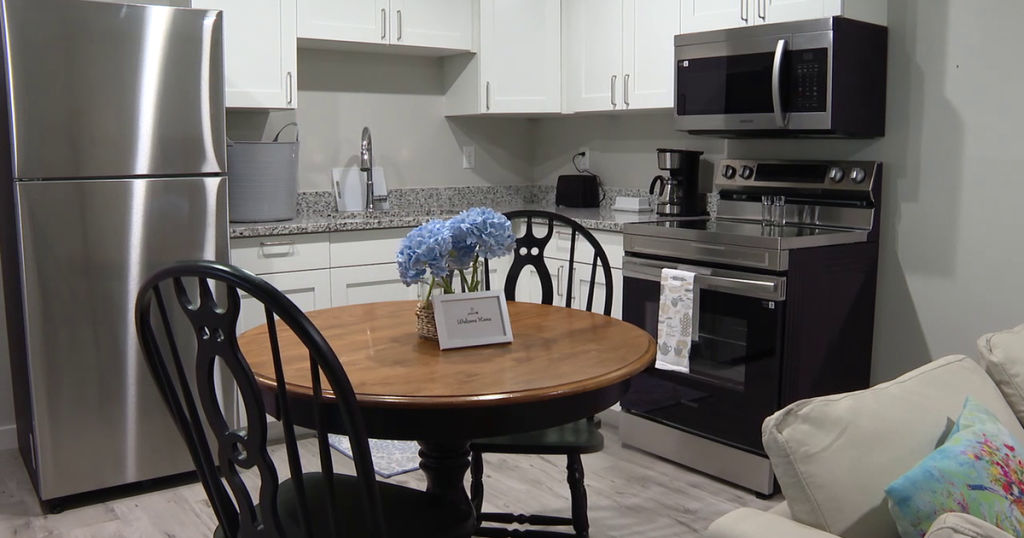
Gospel Inc. has opened a new permanent apartment community in Lakeland that’s aimed at people who have been living with chronic homelessness, and the focus is about more than shelter. Located in Lakeland, the project combines stable housing with practical supports so residents can learn skills, rebuild routines, and reconnect with neighbors. This article walks through what the new apartments offer, how they fit into local needs, and the kinds of programs Gospel Inc. is prioritizing for long-term success.
The new complex gives people a place to call their own, and that stability matters. When you have a consistent address and a front door to lock, the chaotic scramble of daily survival eases up and leaves room for planning and growth. Gospel Inc. designed the apartments so residents can focus on rebuilding their lives rather than just surviving from day to day.
Beyond four walls, Gospel Inc. is pairing housing with hands-on services meant to stick. Case managers and counselors work with each person to set realistic goals, whether that means reconnecting with family, getting documents in order, or addressing behavioral health needs. These supports are not optional add-ons; they are treated as central to the housing model so tenants have the best chance to sustain progress.
Skills training is a big part of the approach inside the Lakeland community. Residents have access to workshops on budgeting, cooking, job readiness, and basic repairs, all aimed at restoring confidence and practical independence. The idea is to teach usable skills that translate directly into everyday living and employment opportunities rather than abstract classes that feel disconnected from real needs.
Creating community is as important as creating units, and Gospel Inc. put effort into common spaces and neighbor-friendly layouts. Shared rooms and coordinated activities give people a chance to practice social routines, build trust, and replace isolation with small networks of mutual support. For many who’ve experienced years of instability, those quieter human connections make a surprising difference in well-being.
Local partnerships are helping the project extend its reach across Lakeland. Gospel Inc. is coordinating with health providers, workforce groups, and community volunteers to bring a wider set of services to residents’ doorsteps. That collaboration reduces the burden on any single agency and creates smoother handoffs when people need specialized care or employment help.
Funding and sustainability came from a mix of sources, built to keep the apartments long-term rather than temporary. Donors, grants, and local support combined to finance renovations and initial operations so Gospel Inc. could avoid the instability that plagues stopgap programs. The result is an investment designed to generate lasting returns in reduced shelter demand and greater community stability.
Residents report practical benefits quickly, like safer sleep and the ability to manage medication or court dates more reliably. Small shifts—consistent mail service, a safe place to store belongings, predictable routines—often ripple outward into job prospects and health outcomes. Gospel Inc.’s model treats those small shifts as measurable progress, not just warm feelings.
The Lakeland apartments are a reminder that addressing chronic homelessness requires steady housing plus persistent, coordinated care. Gospel Inc. seeks to create a template that can be refined and expanded, not a one-off program. With a focus on dignity, practical support, and community ties, the project aims to change trajectories for people who have had few chances to rebuild.