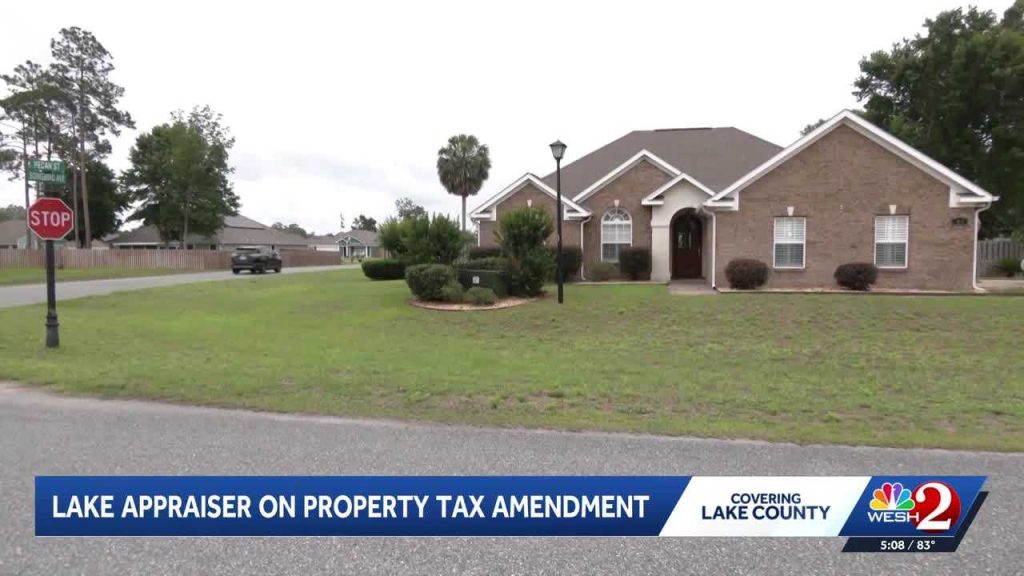
Lake County is bracing for potential changes to its property tax structure following a recent decision by the Florida Legislature to place a referendum on the November ballot. If approved by 60 percent of voters, the measure would increase the homestead exemption to $150,000 next year and $250,000 by 2028, significantly affecting local government funding.
Impact on Local Budgets
The proposed changes could lead to a substantial reduction in ad valorem taxes, which currently fund essential services such as police, fire, EMS, and infrastructure projects. In Lake County, over 66 percent of the general funds, amounting to $219 million, are derived from ad valorem taxes. These funds support the Lake County Sheriff’s Office and other constitutional officers, making up nearly 60 percent of the total budget.
Lake County Property Appraiser Mark Jordan expressed readiness for the potential changes, highlighting that property values have long surpassed homestead exemptions in Florida. “The ratio, the proportion of a $50,000 exemption compared to what a house used to cost in Lake County, in the State of Florida, which are very comparable averages, you look at these new exemptions that are going to be on the referendum, it’s pretty close,” Jordan said.
State Support and Concerns
Governor Ron DeSantis has assured that essential services will continue with the help of a state trust fund, though this fund is not part of the November ballot. Former Florida Senator Jeff Brandes cautioned that localities might become more dependent on state funding for basic services, marking a significant shift in Florida’s fiscal landscape.
As local governments enter budget season, the conversation around these potential changes will be crucial. The amendment, if passed, would direct municipalities to allocate remaining ad valorem revenue toward public safety, education, infrastructure, and other critical areas. However, Brandes warned that there might not be enough funds to cover these core services, emphasizing the need for careful planning and consideration of future fiscal policies.
Original reporting: WESH Orlando — read the source article.