When 23‑year‑old Lilly Dalton entered hospice care in January 2026, her family was already grieving the loss of a bright, over‑achieving young woman. Her death has become a rallying point for parents in Ladera Ranch, an Orange County suburb built around family‑friendly parks, bike paths and community sports fields.
Cluster of rare cancers raises alarm
Since 2021, local parents have documented at least seven cases of Ewing sarcoma – a rare pediatric cancer that accounts for roughly 1% of all childhood cancers in the United States – among children who grew up in Ladera Ranch. The numbers were compiled by the community group Ladera Health Watch, which tracks cases through Facebook groups and word of mouth. While CNN could not independently verify the counts because of privacy laws, the pattern has sparked genuine concern among families who value a safe environment for their kids.
Personal stories illustrate the impact
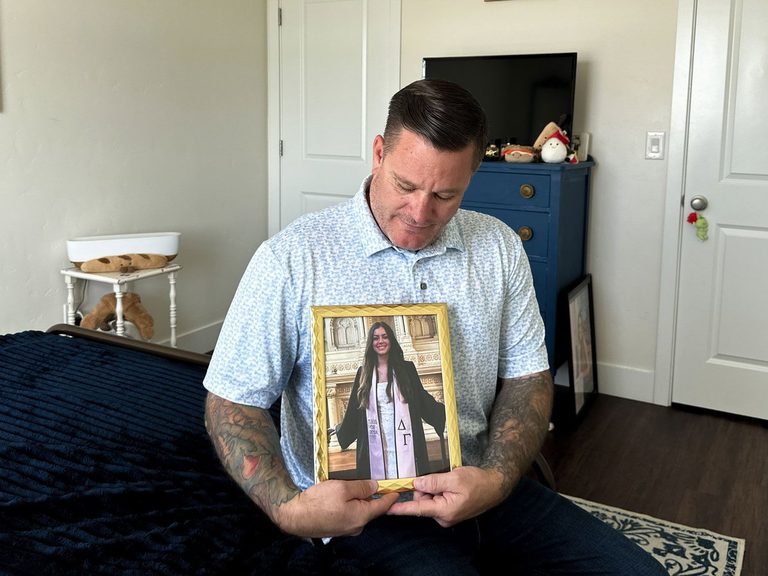
Lilly’s father, Brian Dalton, recalled his daughter’s bravery through multiple rounds of “Red Devil” chemotherapy, radiation and major surgery. “All the nurses loved her there. She was like a celebrity,” he said, remembering her bright spirit even as her liver failed.
Another family mourned 16‑year‑old Brody Matteson, who battled the same disease for 19 months before passing in March 2026. His father, Dustin Matteson, reflected on his son’s character, noting that “football doesn’t build character; it reveals it.” Both families now stand with other parents demanding answers.
Community action and official response
In July, a town‑hall meeting brought together residents, homeowners’ associations, public‑health officials and elected representatives. Brian Dalton urged the crowd, “I don’t want another father standing where I stand today. Let Lilly’s story become the reason we demanded answers.”
First Assistant U.S. Attorney Bilal Essayli asked the Environmental Protection Agency to investigate whether environmental factors could be contributing to the “unusual cluster of pediatric cancers” in Ladera Ranch. The California Department of Public Health (CDPH) has opened a review, with results expected later this fall. While the agency cautions that a finding of an unusual pattern does not automatically prove an environmental cause, it has reported no immediate hazards.
Precautionary steps taken
Even as investigations continue, the Ladera Ranch homeowners’ association and the Capistrano Unified School District have voluntarily paused the use of certain pesticides and herbicides in high‑use areas. Volunteers have been collecting soil and water samples in local parks, searching for any anomalies that might explain the cluster.
Orange County Supervisor Katrina Foley emphasized the community’s right to a safe environment, stating, “It’s fair for the residents to be concerned that the place they’re having their kids roll around on needs to be safe and healthy.”
Why the investigation matters
Determining whether a true cluster exists is the first step toward protecting families. If environmental exposures are identified, swift action can reduce potential risks for current and future generations. If no link is found, the focus can shift to other possible causes, such as genetic factors, while still ensuring that the community’s parks and schools remain well‑maintained.
For now, Ladera Ranch families continue to support one another, sharing information, offering prayers, and advocating for transparency. Their collective voice underscores the importance of parental vigilance and community solidarity in the face of a heartbreaking health challenge.
Original reporting: KTVZ (Central Oregon) — read the source article.