Los Angeles, CA – A recent analysis commissioned by LA28 estimates the 2028 Summer Olympic and Paralympic Games could deliver between $20.5 billion and $40.6 billion in economic activity for the Greater Los Angeles region. The study, prepared by the Los Angeles County Economic Development Corporation (LAEDC), also projects up to 224,000 jobs will be created or sustained as the city prepares for and hosts the event.
Economic benefits span the region
The projected impact covers Los Angeles, Orange, Riverside, San Bernardino and Ventura counties. It includes spending on Games operations, transportation, security, capital projects, visitor activity and the work of independently funded organizations that help stage the event. Infrastructure investment – such as upgrades to transportation, airports, mobility and venue improvements – is expected to be the largest driver of economic activity, with roughly $8.35 billion already accelerated or undertaken in connection with the Games.
Job creation and local procurement
The report forecasts employment gains across construction, transportation, hospitality, accommodation, security and administrative services. LA28 has pledged to direct 75 % of its addressable procurement spending to businesses located in Greater Los Angeles, reserving the remaining 25 % for local and small enterprises. This focus on local sourcing is designed to keep dollars circulating within the community and to bolster family‑owned firms that form the backbone of the regional economy.
Visitor spending and tax revenue
According to the study, the Games could attract about 2 million visitors. Direct spending by non‑resident visitors is estimated at $1.6 billion to $4.3 billion, providing a boost to hotels, restaurants, retailers and entertainment venues. The analysis also projects $5.1 billion to $5.9 billion in combined federal, state and local tax revenue generated by Games‑related economic activity.
No‑build strategy protects taxpayers
LA28 continues to promote a “no‑build” approach, relying largely on existing venues and temporary facilities rather than constructing new permanent Olympic sites. This strategy limits unnecessary taxpayer exposure while still delivering the world‑class events that showcase the region’s strengths.
“The scale and breadth of the economic activity associated with the 2028 Games is significant, even when viewed through a conservative lens,” said Stephen Cheung, President & CEO of LAEDC. “Our analysis shows the impact reaching across the regional economy, from jobs and labor income to local businesses, visitor spending, and long‑term investment.”
The study employed two methodologies: a conservative framework focused on new outside spending entering the region, and an IMPLAN input‑output model that measures broader gross economic activity. Both approaches arrived at a positive outlook for the region.
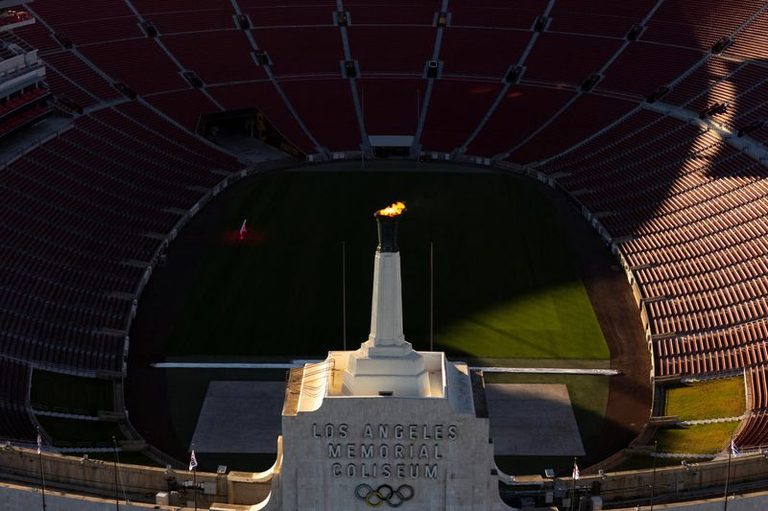
Los Angeles will host the Summer Olympics for the third time, following the 1932 and 1984 Games, and will welcome the Paralympic Games for the first time. Community leaders, business owners and families are encouraged to view the upcoming event as an opportunity to strengthen the local economy, create good‑paying jobs and showcase the region’s vibrant culture to the world.
Original reporting: Appleton, WI News Feed (HLL/CB) — read the source article.