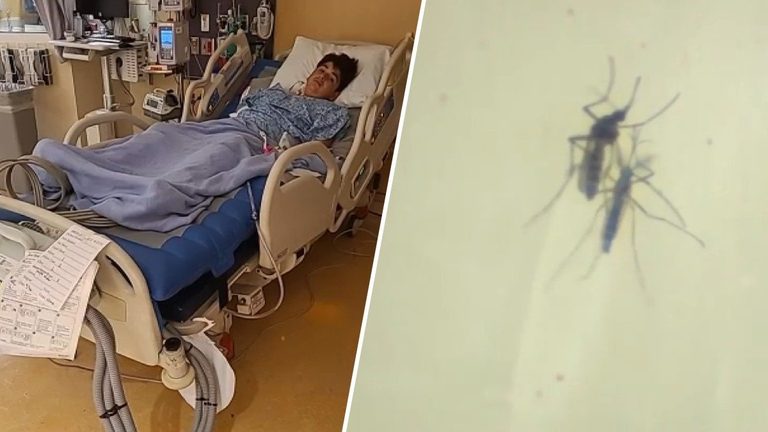
Los Angeles County health officials are urging parents to stay vigilant after 13‑year‑old Joseph Vasquez was hospitalized with neuroinvasive West Nile virus at Los Angeles Children’s Hospital. His mother, Maria Salazar, says the early symptoms—initially mistaken for a common cold—escalated quickly, leaving her son unable to walk.
Early warning signs
According to Salazar, the illness began with a rash that resembled chickenpox. Shortly after, Joseph fell at school and later developed a fever, loss of appetite and persistent headaches. “We found him facedown on the ground and he was losing his balance,” Salazar told NBC Los Angeles. “It started in his lower body, and then he couldn’t even feel his toes or move them.”
Medical perspective
Dr. Ilan Shapiro of AltaMed Health Services, who is not Joseph’s treating physician, explained that West Nile virus can cause inflammation of the nerves that connect the brain to the body, leading to the loss of sensation and motor control. “Our body is actually made of nerves that connect our brain to our body. When that part gets inflamed, you can experience exactly what this child is going through,” he said.
The Centers for Disease Control and Prevention estimate that about 80 % of West Nile infections produce no symptoms, while less than 1 % develop the severe neuroinvasive form that Joseph is battling.
County statistics
Los Angeles County’s Department of Public Health reports 135 confirmed West Nile infections this year, including 130 hospitalizations and five deaths—a record level for mosquito‑borne illnesses in the region.
What parents should do
Salazar now urges other families to take proactive steps when children spend time outdoors. She recommends checking for mosquito bites, monitoring for dizziness, headaches, blurry vision, falls or loss of balance, and seeking medical care promptly if a child complains of head pain or persistent scratching.
Dr. Shapiro adds that anyone who experiences fever, chills, brain fog or fatigue after outdoor exposure should consult a healthcare provider without delay.
Preventive measures
Public‑health officials advise eliminating standing water where mosquitoes breed, using EPA‑registered repellents, and ensuring screens are intact. Early detection and treatment remain critical to preventing the severe complications that can arise from neuroinvasive West Nile virus.
Original reporting: NBC4 Los Angeles — read the source article.