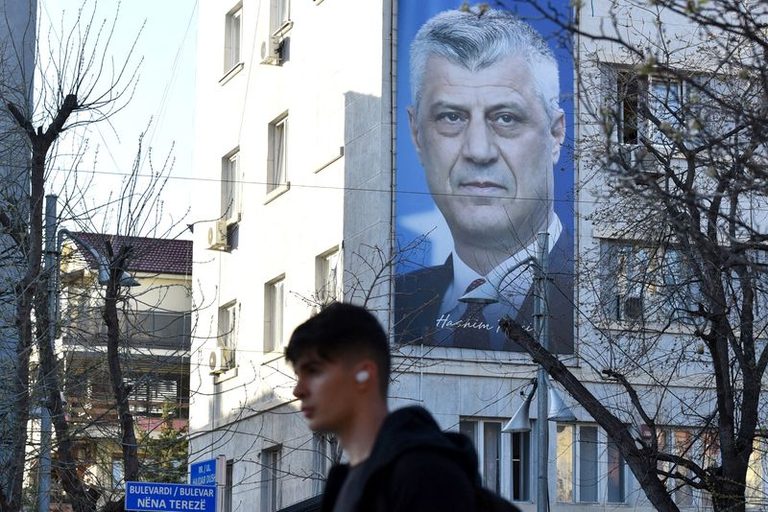
Residents of Kosovo gathered in town squares on Wednesday as large screens counted down to the verdict from the Kosovo Specialist Chambers in The Hague. The tribunal, established in 2015 under international pressure, will deliver its judgment on former president Hashim Thaci, 58, and three former commanders of the Kosovo Liberation Army (KLA) accused of murder and torture during the 1998‑99 war with Serbia.
Charges and potential sentences
Prosecutors are seeking 45‑year prison terms for Thaci and each of the three ex‑commanders. The indictment alleges that KLA forces killed more than 100 political opponents and individuals perceived as collaborators with Serbian security forces. The defendants have denied all charges, asserting that the accusations lack evidence and represent an attempt to rewrite history.
Local reaction
Thaci remains a revered figure for many Kosovo Albanians, and the tribunal itself is deeply unpopular in the region. In numerous towns, KLA flags flew on main streets, and citizens gathered to watch the live broadcast. Police, supported by foreign peacekeeping forces, prepared for possible protests, urging citizens to avoid large crowds. The United States and several other embassies advised their nationals to stay clear of potential demonstrations.
International and regional implications
The ruling will be closely watched in both Kosovo and Serbia, where the legacy of the conflict and Kosovo’s 2008 declaration of independence continue to fuel tension. Observers note that a conviction could influence ongoing reconciliation efforts and affect the political landscape in Pristina, where Thaci’s party remains a dominant force.
Legal context
The Kosovo Specialist Chambers, based in The Hague, operates under a special legal framework that allows it to try alleged wartime and post‑war crimes committed by former KLA members. While the court has faced criticism for its perceived bias, supporters argue that accountability for wartime atrocities is essential for lasting peace.
What comes next
If the tribunal issues convictions, the defendants could face lengthy prison sentences, though appeals are expected. The decision may also shape future diplomatic relations between Kosovo, Serbia, and the broader international community, including the United States, which has maintained a diplomatic presence in the region.
Both sides of the debate await the verdict, which will mark a significant moment in the ongoing process of addressing the painful legacy of the Kosovo war.
Original reporting: Appleton, WI News Feed (HLL/CB) — read the source article.