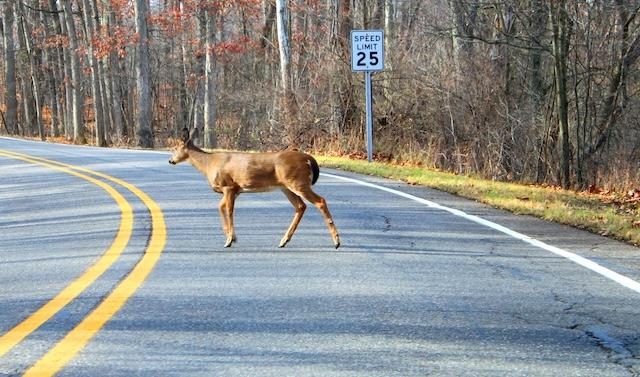
Fall in East Tennessee brings vibrant foliage and cooler evenings, but it also brings an increase in wildlife on the roads. October and November are the most active months for deer in Knox County, and the annual breeding season—known as the rut—is reaching its peak. During the rut, bucks travel farther in search of mates, often crossing highways and neighborhood streets, while hunting activity and shifting feeding patterns add to the unpredictability of deer movement.
Stay alert during dawn and dusk
The Tennessee Wildlife Resources Agency (TWRA) reminds drivers that deer are most active at dawn and dusk, though collisions can occur at any hour, even in busy residential areas. The agency advises motorists to keep headlights on, reduce speed in known deer corridors, and be prepared to brake gently if an animal appears.
Know which insurance coverage applies
Many drivers assume that a standard collision policy will cover damage from striking a deer, but the reality is different. In most cases, comprehensive coverage pays for damage when a vehicle hits a deer or another animal. Comprehensive policies also cover theft, vandalism, hail, falling trees and certain weather‑related incidents. If you have comprehensive coverage, the claim will be subject to your deductible and the specific terms of your policy.
By contrast, collision coverage applies when you swerve to avoid a deer and strike a stationary object such as a tree, guardrail, utility pole, or another vehicle. This distinction matters because two drivers avoiding the same animal could file claims under different parts of their policies, depending on the exact sequence of events.
Drivers who carry only the liability coverage required by Tennessee law will not receive any reimbursement for damage to their own vehicle in either scenario. Liability insurance protects third parties, not the policyholder’s own car.
Steps to take after a deer strike
If you do collide with a deer, move your vehicle to a safe location if possible, turn on your hazard lights, and check for injuries. Call 911 for any medical emergencies or if the accident creates a roadway hazard. Do not approach a wounded deer; a frightened animal can be dangerous.
When it is safe, photograph the damage and the scene, then contact your insurance company promptly. An adjuster can explain which coverage applies, the deductible amount, and any documentation required to process the claim.
Why reviewing your policy now matters
Deer collisions can range from a cracked headlight to a total loss. Knowing whether you have comprehensive and/or collision coverage before an accident can prevent an unpleasant financial surprise later. The TWRA and the Tennessee Department of Commerce and Insurance both encourage drivers to review their policies, confirm deductible amounts, and assess whether the coverage still makes sense for the value of their vehicle.
For residents of Knox County and surrounding communities, the seasonal surge in deer activity is a timely reminder to take a few minutes now to ensure your auto insurance aligns with your needs. A little preparation can protect both your wallet and your peace of mind during the beautiful but busy autumn months.
Original reporting: Knox TN Today — read the source article.