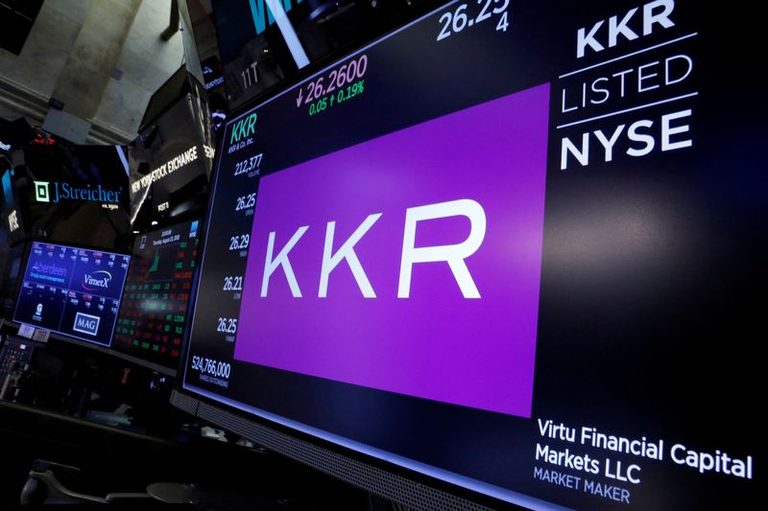
KKR, one of the world’s largest private‑equity firms with more than $700 billion in assets under management, has agreed to a $250 million civil penalty to settle a federal antitrust case. The Department of Justice said the settlement marks the largest penalty ever assessed for violations of the Hart‑Scott‑Rodino Antitrust Improvements Act, which requires companies to notify regulators before completing certain mergers and acquisitions.
According to the DOJ, KKR repeatedly failed to file the required pre‑merger notifications in at least 16 transactions, thereby evading antitrust review. The agency noted that KKR made over 100 filings since 2021 and was well‑aware of the law’s requirements.
In a statement, KKR said it “strongly disagrees” with the Justice Department’s characterization of the matter, asserting that the firm acted in good faith and followed industry practice throughout its filing process. The firm added that the settlement will have no financial impact on KKR, its funds, or its investors because the penalty will be fully reimbursed by outside law firms.
Government response
Associate Attorney General Stanley Woodward said the settlement “sends a powerful message: the Department is committed to vigorous enforcement.” The settlement was filed in the U.S. District Court for the Southern District of New York.
The case was originally filed in 2025, during a period when both the Biden and Trump administrations have emphasized stricter scrutiny of merger activity and compliance with merger‑review rules.
Implications for the private‑equity industry
While KKR disputes the DOJ’s findings, the settlement underscores the federal government’s heightened focus on ensuring that large financial firms adhere to antitrust filing requirements. Industry observers note that the unprecedented size of the penalty may prompt other firms to review their compliance procedures more closely.
For investors and market participants, the settlement is unlikely to affect KKR’s operations directly, given the reimbursement arrangement, but it serves as a reminder of the regulatory risks associated with complex merger transactions.
Original reporting: Appleton, WI News Feed (HLL/CB) — read the source article.