What kind of city keeps a century-old electric streetcar running just because people love it? That’s the question newcomers tend to ask when they spot the bright red trolley rolling along the lakefront on a summer afternoon, bell clanging, passengers leaning out the open windows.
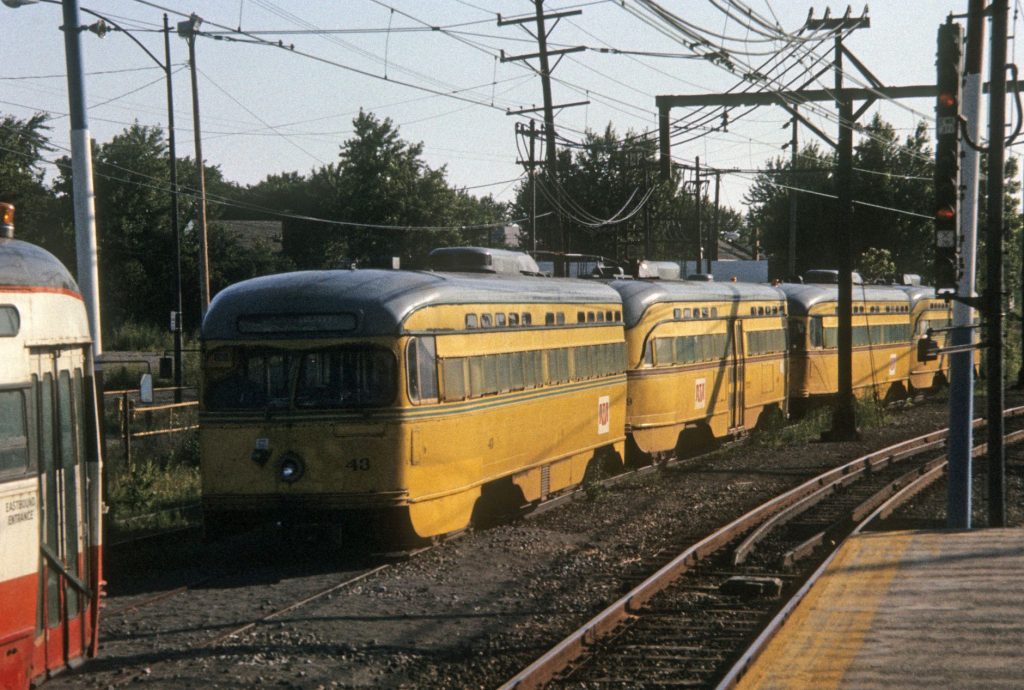
The Kenosha Electric Street Railway is one of a small handful of operating vintage streetcar systems left in the United States. The cars themselves — restored PCC streetcars built in the 1940s and 1950s — once ran in cities like Cincinnati and Philadelphia before Kenosha acquired and refurbished them. They’re not replicas or tourist props bolted to a track for effect. They’re real transit equipment, maintained to working order, and they run on a legitimate one-mile loop connecting the Metra rail station at 54th Street down to the lakefront and back again.
The practical case for riding it is simple: the loop drops passengers close to the Civil War Museum, the lakefront parks, and the HarborMarket on weekends. But the more honest reason people ride it is that it’s just a pleasure to sit inside a car that smells faintly of old wood and warm steel, watching the city go by at the pace it was designed for. There’s no screen to stare at. The conductor collects a dollar from each passenger — yes, one dollar, cash — and that’s the entire transaction.
Each car in the fleet has its own livery. Some wear the green-and-cream of their original home cities. Others run in Kenosha colors. On a given weekend, visitors might find themselves aboard Car 715 or Car 654, both of which have been in service here long enough to feel genuinely local. The cars run approximately every 20 minutes when the system is operating, generally from late spring through early fall, with some special runs around the holidays.
The streetcar isn’t trying to compete with anything modern. It connects two points that are already worth visiting, and it does it slowly enough that the ride itself counts as an experience. Families with kids tend to take multiple loops just for the novelty of it. Older riders sometimes mention growing up in cities where this was simply how people moved around. The mix of those two reactions — wonder and nostalgia — playing out in the same car on the same afternoon is part of what makes the thing work.
The boarding stops are marked and easy to find. Schedules shift seasonally, so checking with the Kenosha Transit or the city’s tourism information before showing up on a specific day saves confusion. But in peak summer, the cars run reliably, and the wait is short enough that missing one car just means a few minutes on a bench watching the lake.
A dollar for a round trip on a working antique streetcar is not a hard sell. The harder thing to explain is why it feels like such a relief — unhurried, low-stakes, genuinely local — in a way that most civic attractions don’t quite manage.