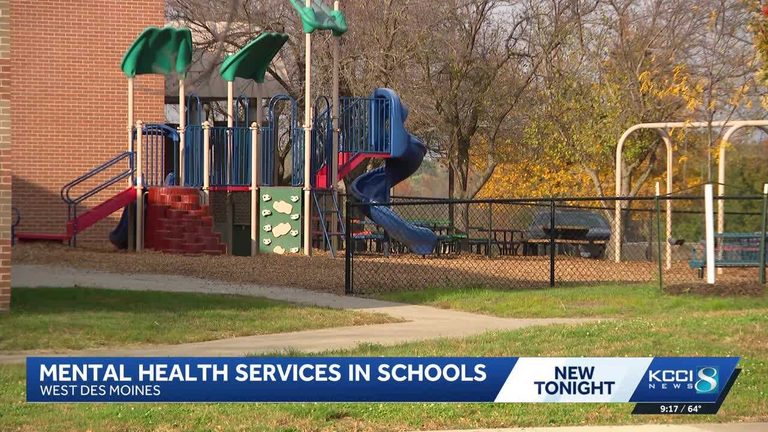
The West Des Moines Community School Board voted to launch an in‑person mental‑health program for its students, partnering with Lighthouse Counseling to provide school‑based therapy. While the district already offers online counseling, officials say the virtual option has seen limited use, and they expect face‑to‑face services to be more accessible for families.
Program details and rollout
Under a memorandum of understanding, the pilot will begin at the Jordan Creek and Western Hills campuses later this fall. If the model proves successful, the district plans to extend the service to all schools in the system. Families will pay Lighthouse Counseling directly for any sessions, meaning the district incurs no additional expense.
Why the district is acting
Steven Schappaugh, executive director of secondary education for West Des Moines Schools, emphasized the district’s broader commitment to a “continuum of supports” for students. “We provide food pantries and clothing closets to our students and families,” Schappaugh said. “By offering school‑based therapy, we remove barriers for families to get access to a service that they may choose for themselves. When we offer it in our buildings, a family doesn’t have to provide transportation, and if it’s during the school day, they miss less school.”
Local context and precedent
West Des Moines is not the first Iowa district to adopt this approach. Marshalltown Community Schools rolled out a similar in‑person counseling program in 2024, reporting increased utilization and positive feedback from parents. District leaders hope the West Des Moines model will achieve comparable results, helping students manage stress, anxiety, and other challenges that can affect academic performance.
Community response
Parents and community members have largely welcomed the initiative, noting that mental‑health care is often difficult to access in rural and suburban areas. Some critics caution that relying on private counseling firms could create inequities if families cannot afford the fees, but the district’s decision to keep the program off its own budget aims to mitigate that concern.
Looking ahead
Schappaugh acknowledged that the ideal scenario would be a society where schools did not need to provide such services, but he stressed the district’s responsibility to meet students’ needs so they can learn at high levels. “We take that responsibility seriously,” he said. The board will monitor usage rates, family satisfaction, and academic outcomes as the program progresses, with a formal review slated for next spring.
Original reporting: KCCI Des Moines — read the source article.