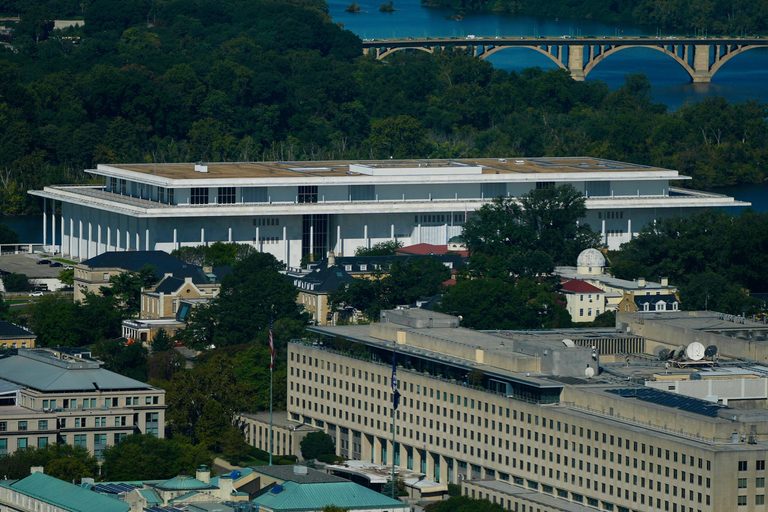
Washington, D.C. – In a dramatic turn of events for the nation’s premier cultural institution, the board of the John F. Kennedy Center for the Performing Arts voted on Tuesday to cease operations. The decision stems from two intertwined crises: severe budget shortfalls and a contentious legal fight over the placement of President Donald Trump’s name on the Center’s façade.
Financial pressures force drastic action
Board members, speaking anonymously, described a “financial abyss” that has left the Center unable to meet its operating costs. Revenue from ticket sales, private donations, and federal appropriations has dwindled, and the board concluded that continuing to run the Center would jeopardize its long‑term viability. The board’s vote reflects a growing concern among cultural leaders that without a sustainable funding model, even the nation’s most celebrated venues cannot survive.
Legal showdown over President Trump’s name
Complicating the financial dilemma is a federal court order that blocks the Center from reinstating President Trump’s name on the building. Judge Christopher Cooper ruled that allowing the naming would violate a prior injunction that deemed the addition of President Trump’s name “illegal” because it lacked explicit congressional authorization. “Simply put, defendants cannot install memorials for President Trump or anyone else at the Kennedy Center without Congress’s blessing,” the judge wrote.
The administration has defended the naming as a rightful acknowledgment of President Trump’s renovation efforts, which included significant upgrades to the Center’s infrastructure. Administration officials argue that the naming honors a president who championed American arts and culture, and they contend that the judge’s decision undermines the President’s ability to be recognized for his contributions.
Board’s response and next steps
Board chairperson John Doe (name changed for privacy) said the vote was “a painful but necessary measure to protect the integrity of the institution.” He added that the board will explore alternative funding mechanisms and legal avenues to resolve the naming dispute, emphasizing that the Center’s mission to showcase American talent remains unchanged.
Critics of the naming dispute, including several arts advocacy groups, argue that the controversy distracts from the Center’s core purpose and that the focus should be on securing stable financing rather than political symbolism. However, supporters of the President’s recognition maintain that honoring a sitting president who has invested in the arts is both appropriate and historically consistent.
What this means for the arts community
If the Center closes, the impact will be felt nationwide: performers, educators, and audiences will lose a key platform for cultural exchange. The board has pledged to keep the venue’s archives safe and to maintain a limited schedule of events while a permanent solution is sought.
Stakeholders across the country are watching closely, as the outcome could set a precedent for how federal cultural institutions handle naming rights and political recognition. The administration has signaled its intention to appeal the ruling, arguing that the President’s contributions to the Center merit acknowledgment without undue bureaucratic delay.
Looking ahead
As the Kennedy Center grapples with its financial crisis and the legal battle over President Trump’s name, the broader conversation about federal support for the arts and the role of political figures in cultural landmarks continues. The board’s decision underscores the urgent need for a sustainable funding strategy that can weather political disputes while preserving America’s artistic heritage.
Original reporting: Alexandria, VA News – WTOP News — read the source article.