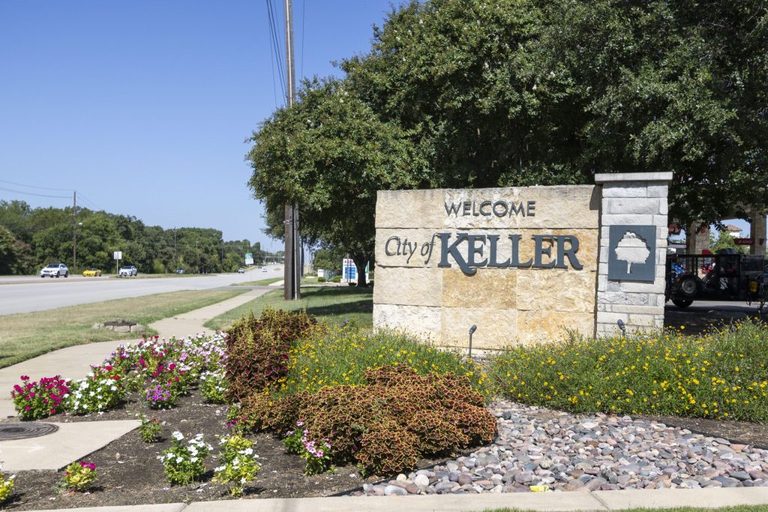
Keller City Council and staff continued discussions on June 2 to strengthen rules for home-based businesses, a conversation that began at the April 7 meeting. The city has logged 36 complaints since 2020, with three cases remaining open.
Concerns Over Neighborhood Character
For the residents reporting these issues, it’s really affecting the enjoyment of their home, said Keller city manager Aaron Rector. They feel like it’s starting to make their neighborhood feel not so much like a single-family neighborhood anymore.
A striking example is a resident operating a full food truck business from their home, complete with multiple trailers on the property and commercial grease truck service calls. That’s probably one of the more egregious ones we’ve seen, Rector said.
Challenges in Regulating Home-Based Businesses
The core problem is Keller’s existing code, which prohibits home businesses from changing the neighborhood character — language so broad it rarely holds up, Rector said. Keller city attorney L. Stanton Lowry noted that winning in court requires more than annoyed neighbors. It needs to be shocking to somebody to see what is occurring at that property, Lowry said. The more benign it is, the harder it is for us to prove our case.
State law compounds the city’s challenge. In June 2025, the 89th Texas Legislature’s HB 2464 revised the authority of a municipality to govern home-based businesses. The state law is trending away from our ability to regulate, Lowry said. We’re probably only going to be able to pursue the cases that are somewhat drastic.
Proposed Solution
Council members believe the solution is to replace the neighborhood character standard with an enumerated list of enforceable factors — on-street parking, nonresident employees, noise and visible activity — drawn directly from the state’s own definition of a no-impact home business. We need more concrete specifics, council member Chris Whatley said. I think that would help staff.
No formal vote was taken. Staff were directed to finalize the revised ordinance — after consulting peer cities Southlake and Colleyville — and bring it directly to a council vote, with planning and zoning review expected in July and a council decision anticipated in August.
Original reporting: Fort Worth Report — read the source article.