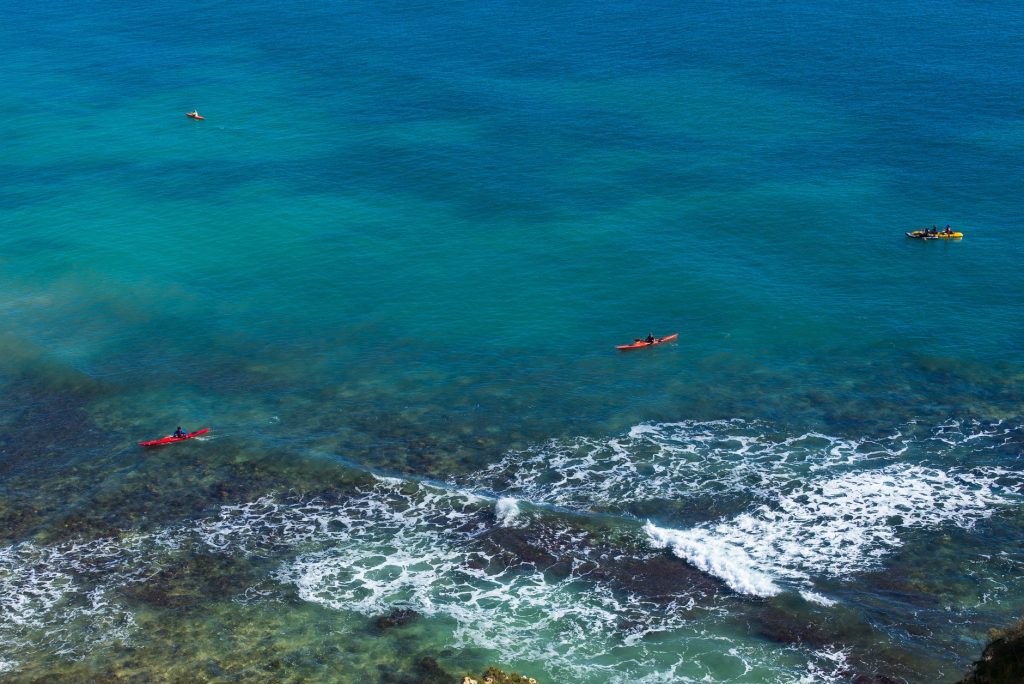
What does it actually feel like to paddle inside a living estuary, surrounded by osprey nests and mullet jumping in every direction, without fighting a crowd for a parking spot or a launch window? If you’ve been defaulting to the usual spots around the bay, the answer might surprise you — and the address you’re looking for is Pinellas County’s Fort De Soto Park, specifically the kayak launch at the North Beach end, where the aquatic preserve stretches out toward Mullet Key Bayou.
You’ll want to arrive before nine in the morning. The park opens at sunrise, and the light in those first couple of hours hits the water at a low angle that turns everything gold. The launch area off the North Beach boat ramp is well-marked and easy to navigate — there’s a dedicated paddlecraft section off to the left where you’re not competing with motorized traffic. Bring your own kayak or rent from the park’s concessionaire, Ft. De Soto Watersports, which operates out of a small booth near the beach. Single-kayak rentals run around $25–$30 per hour, with stand-up paddleboards available at similar rates.
Once you’re on the water, head north into the sheltered channels that run behind the mangrove islands separating the bay from the Gulf. The current is gentle unless you’re fighting an outgoing tide, so check the tide chart before you go — the Florida Fish and Wildlife Conservation Commission posts them online by county. At mid-tide, the channels are deep enough to paddle comfortably while still letting you peer down through the clear water at seagrass beds and the occasional horseshoe crab moving along the bottom like something prehistoric.
Bottlenose dolphins work this stretch regularly, and if you stay quiet and keep your paddle strokes smooth, they’ll come close. An osprey pair has nested on one of the channel markers on the north side for years. Manatees pass through in warmer months — late spring through October is your best window. The whole preserve feels unhurried in a way that most of the bay doesn’t anymore.
When you’re done on the water, the North Beach itself is worth an hour on its own. It’s a wide, shell-covered beach with serious shade from Australian pines along the back edge, and the Gulf side here is calmer than Clearwater Beach with a fraction of the foot traffic on a weekday. The park also has a fishing pier, a small café near the entrance, and several picnic shelters that book up on weekends but are usually open during the week.
Getting there from St. Petersburg takes about 25 minutes via the Pinellas Bayway, which charges a small toll — $1 to $2 depending on your direction. Daily park admission is $5 per vehicle for county residents and $7 for non-residents. It’s not free, but it’s also not a lot to spend for what amounts to one of the most intact coastal ecosystems left in the entire Tampa Bay metro area.
The people who know this place tend not to broadcast it. Not because they’re guarding anything, but because it’s simply the kind of spot that rewards showing up quietly and paying attention. Bring water, a hat, and sunscreen — the reflection off the bay is deceptive. Leave your phone in the dry bag for at least half the trip. You’ll be glad you did.