What kind of person drives past a Starbucks on purpose?
On a Tuesday morning, a woman named Karen Moon is already behind the counter at a small roastery on Southwest Wilshire Boulevard, tamping espresso with the kind of muscle memory that doesn’t require thought. She has been in the coffee business long enough to remember when Burleson’s options were a gas station pot or a forty-minute drive north to Fort Worth. That gap is exactly what she set out to close.
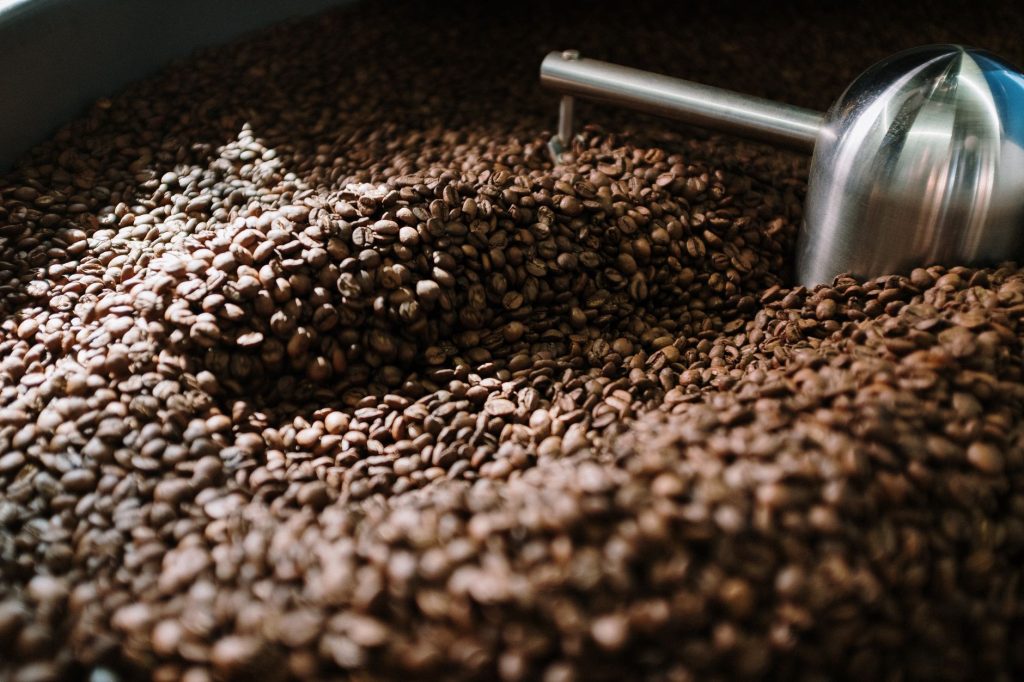
Primrose Coffee Roasters is Karen’s shop — her name isn’t on the sign, but it might as well be. She sources beans directly from farms in Ethiopia and Colombia, roasts on-site in small batches, and adjusts the roast profile seasonally depending on what’s coming off the supply chain. That last part matters more than it sounds. Most regional coffee shops buy pre-roasted wholesale and call it local. Karen doesn’t. The roaster sits in plain view near the back of the shop, a barrel-sized piece of equipment that smells like caramelized earth whenever it’s running, which is often.
The interior leans spare — exposed beams, a handful of wooden tables, a long bar facing the window. No TVs, no playlist loud enough to interrupt a conversation. Regulars know to order the single-origin pour-over when Karen’s got something new from her Ethiopian supplier; the current lot runs bright and almost citrusy, nothing like what most people picture when they think of dark-roast Texas coffee culture. The cortado is the reliable everyday order — two ounces of espresso cut with steamed milk, tight and clean, priced around four dollars.
Karen talks about her customers the way a barber might — she knows who takes their coffee black, who’s cutting back on caffeine, who just got a new job or a new baby. She remembers that one of her regulars started coming in three years ago after a bad breakup and now brings a fiancée on Saturday mornings. The shop holds that kind of continuity.
The food menu is short by design. Pastries come from a local baker, the names change week to week, and they sell out by ten most mornings. A brown butter croissant showed up last Saturday and was gone by nine-forty. There’s no food menu to photograph; it’s a chalk situation, written fresh each day.
Parking is easy, which matters more in Burleson than people from bigger cities might expect. The strip it sits on isn’t particularly scenic — a nail salon, a tax prep office, a phone repair kiosk nearby — but the shop itself feels like a deliberate pause from all of that. Karen keeps the hours honest: open at six-thirty weekdays, seven on weekends, closed by two in the afternoon. She’s not chasing the evening crowd. She’s built something for the morning, and she’s content to do it well.
A medium drip runs about three dollars. Specialty drinks top out closer to six. For what lands in the cup, that’s not a stretch by any measure. The regulars don’t seem to think twice about it, either — they just show up, order the same thing they always do, and stay a little longer than they planned.