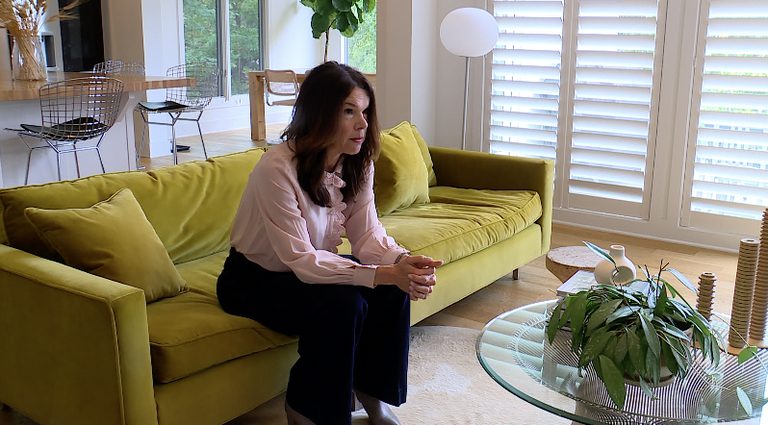
Kansas State Representative Linda Featherston—herself diagnosed with breast cancer in 2022—has taken her personal experience to the Capitol floor. She is backing Senate Bill 409, legislation that would compel health‑insurance companies to pay every out‑of‑pocket cost for follow‑up breast imaging after an initial mammogram.
Featherston, who has spent months sorting through endless medical bills, told reporters, “We’ll have about 2,600 women diagnosed with breast cancer in Kansas this year, above the national average, and 400 will die. How many of those lives could be saved if cancer were caught earlier? Early detection saves lives and saves money.”
The bill mirrors a Missouri law passed in 2023 that eliminated patient cost‑sharing for diagnostic imaging. Under the proposed Kansas law, once a mammogram flags a potential issue and a doctor orders additional scans—such as MRI, ultrasound, or biopsy—insurance would cover the full price, removing the financial decision many patients face.
According to the American Cancer Society, early diagnosis can save more than $11,000 per patient in treatment costs. Yet a 2024 study cited by the Society estimated that 1.1 million women nationwide delayed needed follow‑up imaging because of out‑of‑pocket expenses. In Kansas, survivors like Julie Rudman and Kim Jones echo that burden. Rudman, founder of The Breast Cancer Club, said, “I have met my out‑of‑pocket expenses every year since. It doesn’t stop.” Jones, a stage‑3 survivor, added, “Phew … those numbers are so large.”
Featherston emphasized the human side of the numbers. “When you’ve already spent so much money trying to keep yourself alive, you shouldn’t have to choose between your health and paying your bills,” she said. She also linked the issue to Kansas’s pro‑life identity, noting, “I hear from my colleagues a lot … ‘We’re a pro‑life state.’ I don’t know what’s more pro‑life than saving women’s lives.”
Federal action is also moving. Members of the U.S. House of Representatives have introduced H.R. 3037 and S. 1500, the Access to Breast Cancer Diagnosis (ABCD) Act, which would require private insurers nationwide to cover the full cost of diagnostic and supplemental breast imaging. While that legislation is still under review, Kansas’s effort could serve as a model for other states.
What the bill means for Kansans
If enacted, Senate Bill 409 would eliminate the need for patients to pay co‑pays, deductibles, or coinsurance for follow‑up scans. Insurance companies would absorb those costs, potentially lowering overall health‑care spending by catching cancers earlier and reducing the need for more extensive treatment later.
Critics of the bill, primarily from insurance trade groups, argue that mandating full coverage could raise premiums for all policyholders. However, the legislation includes language that the state would monitor premium impacts and adjust the program if necessary.
Next steps
Senate Bill 409 is slated for committee hearings in the coming weeks. Featherston plans to bring additional survivor testimonies to the floor, hoping to demonstrate the real‑world impact of delayed imaging.
Kansas residents who want to follow the bill’s progress can watch the Kansas Senate’s website or contact Rep. Featherston’s office for updates.
Original reporting: KSHB 41 Kansas City (local) — read the source article.