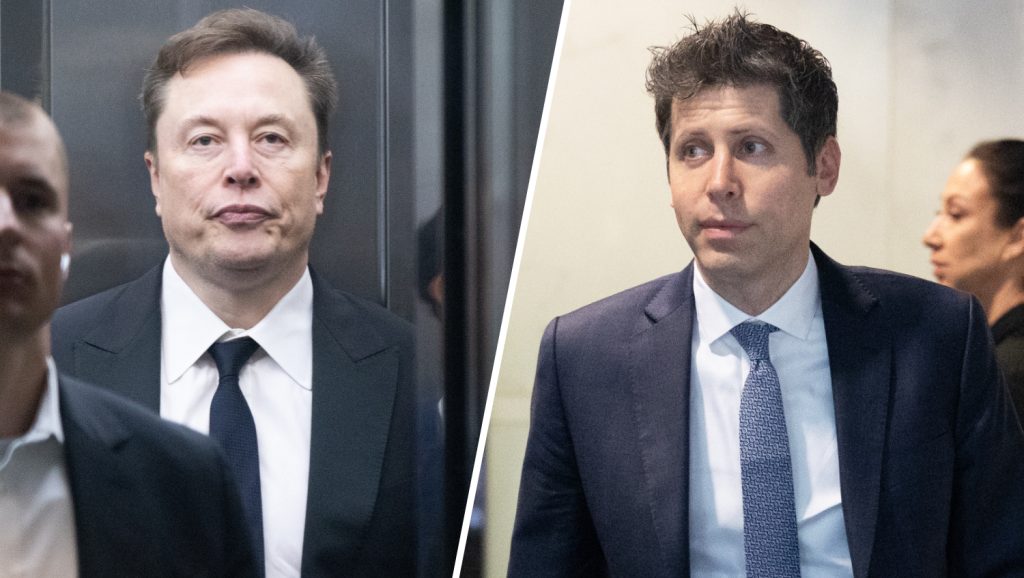
This piece explains how a jury dismissed Elon Musk’s lawsuit against Sam Altman and others at OpenAI, why timing mattered in the courtroom, and what the verdict could mean for the tech sector. It covers the trial outcome, the statute of limitations that doomed the claims, the role of Microsoft’s investment, and the timeline of OpenAI’s move toward a for-profit model involving figures like Greg Brockman and Sam Altman.
A jury on Monday concluded that Elon Musk waited too long to press his case against Sam Altman and other OpenAI leaders, tossing out allegations that Altman had improperly profited from the organization they helped build. The decision followed a high-profile, three-week trial that drew intense industry attention and scrutiny over how fast artificial intelligence firms should evolve. The court’s ruling hinged on legal time limits rather than an assessment of the underlying conduct itself.
The panel found no liability for Sam Altman, Greg Brockman, or OpenAI on the charges presented, and it also rejected Musk’s claim that Microsoft aided and abetted any breach. Microsoft, of course, had become a major partner and investor in OpenAI’s for-profit operations, a fact that figured heavily in the dispute. But the jury determined that Musk’s accusations arrived outside the statutory windows set by law.
Central to the outcome were two statutes of limitations: three years for allegations tied to breaching a charitable trust owed to OpenAI as a nonprofit, and two years for claims that individuals had unlawfully enriched themselves. Those deadlines were rigid and unforgiving. Because Musk filed suit in 2024 over events that began years earlier, the jury ruled those claims were time-barred.
Musk had testified over three days about why he delayed, saying he relied on repeated reassurances from Altman in the years after OpenAI’s formation. He told jurors his patience snapped in 2023 when Microsoft announced a $10 billion investment in OpenAI’s commercial arm, a move Musk viewed as a turning point. Still, the jury focused on the clock rather than the credibility battle between billionaire founders.
The backstory matters: OpenAI’s founders, including Elon Musk, Sam Altman and Greg Brockman, were already talking about a for-profit pivot as early as 2017, and the company did establish a commercial wing in 2019. Those early conversations and structural changes happened long before Musk sued, which strengthened the defense’s statute-of-limitations argument. In short, the legal window for these claims had largely closed by the time litigation began.
Lawyers for Altman, Brockman and OpenAI emphasized that the suit was filed too late, framing the dispute as a timing problem rather than a merits fight. Defense testimony pushed the idea that knowledge of the for-profit shift and subsequent investments had been public or at least knowable well before the suit. The jury accepted that timeline and dismissed claims on that basis, rather than resolving thornier questions about governance and fiduciary duty.
Claims that Microsoft had aided and abetted a breach of duty were dismissed for the same timing reasons, depriving plaintiffs of an avenue to attach liability to the tech giant. Microsoft’s early capital infusion and licensing arrangements had been central to Musk’s grievances, but the court’s ruling left those commercial relationships intact. For the industry, the result reduces immediate legal risk for companies striking deep commercial ties with AI labs.
The verdict will likely be read in different ways across Silicon Valley. For some, it’s a reminder that legal timing is as consequential as legal theory, and that high-profile disagreements between founders do not always translate into court victories. For others, the decision signals that aggressive commercialization and big technology partnerships are legally safer than some critics had feared, at least when claims are delayed.
Beyond the courtroom, questions about governance, transparency and the appropriate structure for AI research remain hot. The dispute highlighted tensions between nonprofit missions and lucrative commercial opportunities, and it exposed disagreements among some of the industry’s most visible figures. While the jury’s ruling closes this particular chapter, the tensions that produced the lawsuit are still very much alive in boardrooms and labs.
Anyone following the race to develop advanced artificial intelligence should note that this was not a definitive judgment on behavior, only on when a lawsuit can be filed. The case demonstrates how procedural laws like statutes of limitations can decide major disputes without settling the underlying controversies. As AI development accelerates, legal teams and corporate boards will be paying closer attention to timing, disclosure and governance to avoid similar outcomes.