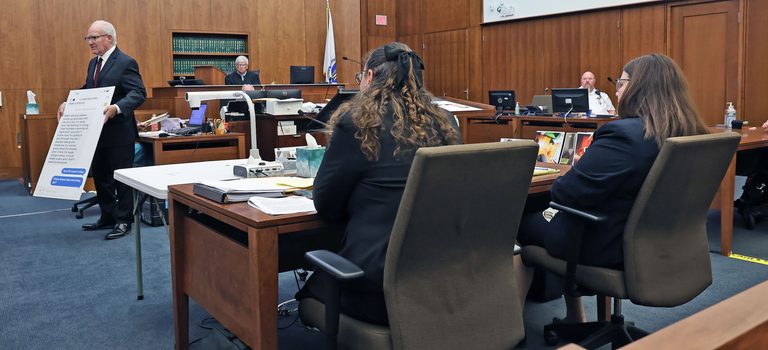
PLYMOUTH, Mass. — The trial of Lindsay Clancy, accused of killing her three children in 2023, will resume Friday as jurors continue deliberations on her criminal responsibility. The case has drawn intense local and national attention, highlighting the intersection of criminal law and mental‑health issues.
Background of the case
Clancy, 36, pleaded not guilty by reason of lack of criminal responsibility, asserting that postpartum psychosis—a rare but severe mental illness that can follow childbirth—rendered her incapable of controlling her actions. She admitted to strangling her children, ages 5, 3 and 8 months, but maintains she was not in her right mind at the time.
Prosecutors argue that Clancy acted with full awareness, describing her actions as a conscious decision driven by depression and a desire to end her own life. They contend she deliberately killed the children before attempting suicide, first cutting herself and then jumping from a second‑floor window, surviving with paralysis from the waist down.
Trial proceedings
The jury met briefly on Thursday but did not reach a verdict. Jurors have heard extensive testimony from medical professionals on both sides. Defense experts emphasize the debilitating effects of postpartum psychosis, while prosecution witnesses stress Clancy’s planning and the premeditated nature of the killings.
Legal options for the jury include finding Clancy guilty of murder, convicting her of the lesser offense of manslaughter, or acquitting her if they determine she lacked criminal responsibility due to her psychiatric condition.
Community impact and resources
The case has sparked conversations in Plymouth and across Massachusetts about mental‑health support for new mothers, the adequacy of psychiatric care, and the legal standards for insanity defenses. Local faith leaders and family‑oriented organizations have called for increased resources to help families facing postpartum challenges.
Editor’s note: This story includes discussion of suicide. If you or someone you know needs help, the national suicide and crisis lifeline in the U.S. is available by calling or texting 988.
Next steps
The jury is expected to continue deliberations on Friday, with a verdict anticipated in the coming weeks. The outcome will have implications for how the legal system addresses severe mental‑health crises in criminal cases.
Original reporting: KTBS 3 (Shreveport) — read the source article.