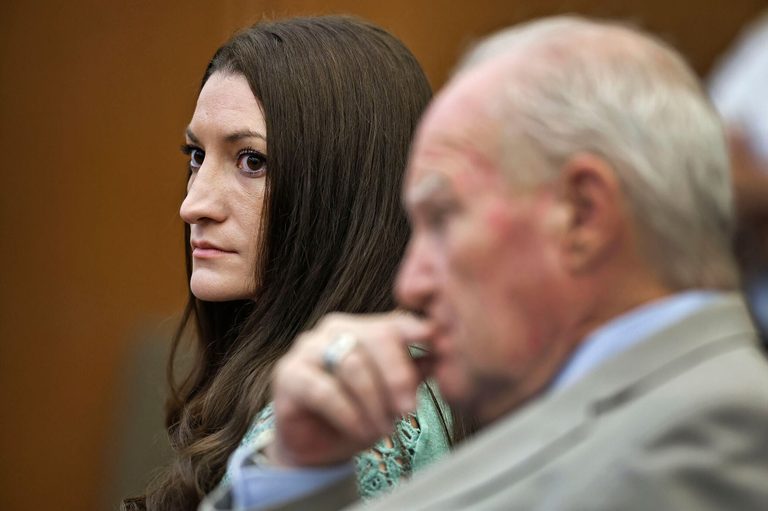
PLYMOUTH, Mass. — A jury in the Lindsay Clancy trial resumed deliberations on Monday, marking the third day of discussion without reaching a verdict. The case, which has drawn national attention to postpartum mental health, centers on whether the former labor‑and‑delivery nurse is criminally responsible for the 2023 deaths of her three children.
Trial background
Jurors began hearing evidence Thursday in Plymouth County Superior Court after more than 70 prosecution witnesses, including Clancy’s ex‑husband, and ten defense witnesses testified over a five‑week period. The prosecution argues that Clancy knowingly strangled her children because she was depressed and tired of living, then attempted suicide. The defense maintains she acted under the grip of postpartum psychosis, a rare but serious mental illness that can follow childbirth.
Legal stakes
The jury may find Clancy guilty of murder, the lesser offense of manslaughter, or acquit her if they determine she lacked criminal responsibility due to psychiatric illness. A conviction could result in a life‑sentence, while an acquittal might lead to release or confinement in a mental‑health facility.
Family and medical testimony
Clancy, 36, pleaded not guilty by reason of lack of criminal responsibility and did not testify. Medical experts for both sides described her mental state before the killings. The defense lawyer, Kevin Reddington, said the case should prompt changes in how the healthcare system treats women with similar conditions, noting that many of Clancy’s appointments were conducted virtually.
Details of the tragedy
In January 2023, the three children—Cora (5), Dawson (3) and infant Callan (8 months)—were found strangled with exercise bands in the basement of the family home in Duxbury, Massachusetts. After the killings, Clancy attempted to jump from a second‑floor window, sustaining a spinal injury that left her paralyzed from the waist down.
Next steps
The jury is scheduled to resume deliberations on Tuesday. The trial continues to spark conversation about the intersection of mental‑health care, parental responsibility, and the criminal justice system.
Original reporting: 2news.com — read the source article.