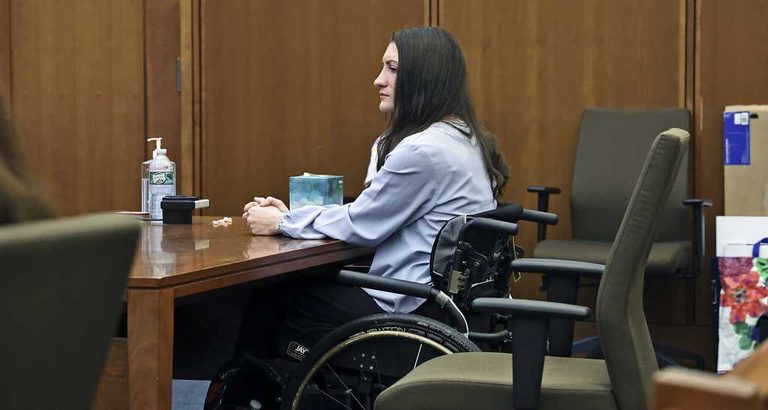
Jury deliberations entered their second day on Friday in the high‑profile murder trial of Lindsay Clancy, a 36‑year‑old mother from Massachusetts accused of strangling her three children in 2023. The twelve‑person jury, composed of nine women and three men, will decide if Clancy is guilty of first‑degree murder or if she should be found not criminally responsible because of a severe mental‑health condition.
Defense argues postpartum psychosis
During closing arguments, defense attorney Kevin Reddington highlighted Clancy’s struggle with postpartum psychosis, presenting photos of the family before the tragedy and of Clancy in a hospital bed attached to multiple machines. He blamed “the damn medicine and the lousy medical care” for worsening her condition and challenged the prosecution’s portrayal of forensic psychologist Dr. Paul Zeizel’s testimony.
Reddington emphasized that Clancy had cooperated with investigators, noting that she answered questions, owned her actions, and underwent multiple evaluations over three years. He displayed journals in which Clancy recorded the medication she was taking and wrote about “horrible thoughts,” and he cited a text to her mother in which she begged for help.
Prosecution maintains criminal responsibility
Assistant District Attorney Jennifer Sprague countered that while Clancy suffered from mental illness, she understood the difference between right and wrong. Sprague pointed out that Clancy had access to health insurance, multiple providers, and declined assistance from at least two facilities. She noted that Clancy was on two medications when she left McLean Hospital and denied any suicidal or homicidal ideation at that time.
Sprague described Clancy’s behavior in the months before the killings as “calm” and “functioning,” describing her public interactions, driving her children, and even discussing a take‑out order with restaurant staff while her husband was away. She argued that the children were Clancy’s protective factor and that she deliberately removed them to end her own misery.
Jury instructions and next steps
After closing arguments, Judge William Sullivan gave the jury final instructions, explaining the possible verdict options for each child: first‑degree murder (premeditated or extreme atrocity), second‑degree murder, manslaughter, not guilty, or not guilty by reason of lack of criminal responsibility.
The jury spent about three and a half hours deliberating on Thursday before being sent home. They are expected to reconvene at 9 a.m. ET on Friday to continue their deliberations.
Original reporting: 40/29 / KHBS (NW Arkansas) — read the source article.