On Oct. 27, a jury in the 8th Judicial District Court acquitted Gil Graves, the 81‑year‑old proprietor of Chili Line Depot in Tres Piedras, of all three charges brought against him. The verdict cleared Graves of aggravated battery with a deadly weapon, criminal damage to property exceeding $1,000, and reckless driving.
Background of the case
Prosecutors had charged Graves after an incident on July 14, 2025, in which he allegedly struck construction worker Shawn Robert Romero with his skid loader while attempting to clear construction barrels and equipment that were blocking the restaurant’s parking area on U.S. 285. The state argued that Graves acted with criminal intent, putting his financial interests ahead of community safety.
Defense argument
Defense attorney Day Thornton contended that Graves was merely trying to restore access to his business, not to destroy property or injure anyone. Thornton emphasized that Graves warned Romero to “get out of the way” to avoid harm, and that the skid loader was moving slower than walking speed when it made contact with Romero’s leg.
Witness testimony included construction‑site supervisor Stacey Loretto, who described bruising and cuts on Romero’s leg, and flagger Joseph Skeets, who confirmed the skid loader’s slow speed and denied hearing any threat from Graves. During cross‑examination, Thornton presented video footage from Loretto’s cell phone, which did not show the skid loader running over Romero as initially reported to 911 dispatchers.
Prosecution’s stance
Assistant District Attorney Jason Montclare argued that Graves prioritized his own financial interests over public safety, describing the incident as a “total breakdown of community safety.” He asserted that the combination of eyewitness accounts, injury reports, cell‑phone footage, and a tire mark on Romero’s clothing proved Graves intentionally steered the machine toward the worker out of frustration.
Trial complications
The trial proceeded without testimony from two key witnesses: Romero himself and former Taos County deputy Nicholas Varela. Judge Jeffrey Shannon barred Romero from testifying because prosecutors had not disclosed Romero’s statements to Varela. Varela, the lead investigator who arrested Graves, resigned on Oct. 1 after failing to appear at trial despite a subpoena.
Thornton suggested Varela’s resignation was linked to his pre‑trial interview with the defense, noting, “It did not go well for him.” The defense also referenced a separate civil complaint filed in Colorado alleging excessive force by Varela during a traffic stop, though jurors were instructed not to treat those allegations as established fact.
Aftermath
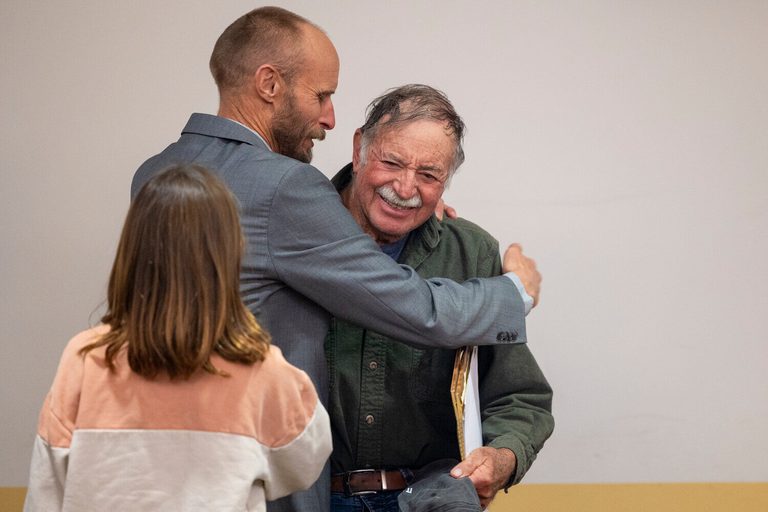
Following the verdict, Graves’ family and friends applauded in the courtroom. Graves expressed relief, saying, “I feel relieved.” However, his legal challenges continue. On July 15, Romero filed a civil lawsuit against Graves and the New Mexico Department of Transportation, alleging damages from the same incident. Graves’ wife, Deb Graves, warned that the lawsuit could strain the family’s finances, noting insurance complications and the need to meet with attorneys in Albuquerque.
The case highlights tensions between local business owners, construction crews, and law‑enforcement investigations in rural New Mexico, underscoring the importance of clear communication and due process in community disputes.
Original reporting: Taos News — read the source article.