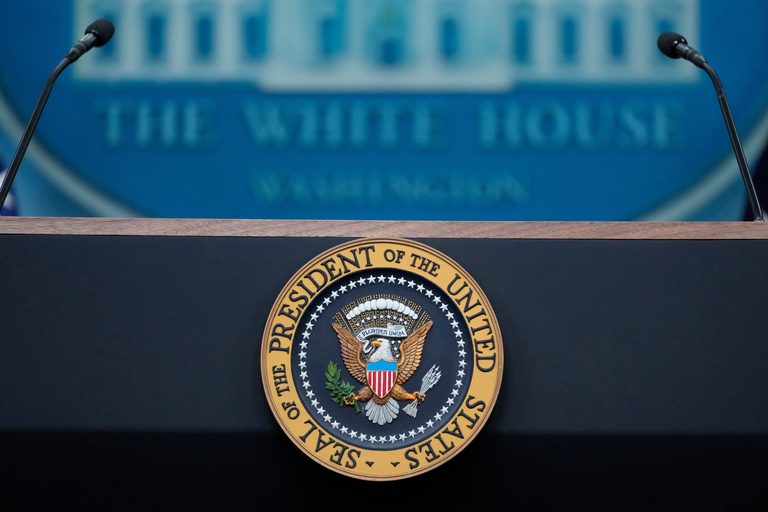
President Donald Trump’s recent decision to bar CNN, MS NOW and Politico from the White House press pool sparked a swift legal challenge that culminated in a federal court order on Thursday. U.S. District Judge Timothy Kelly granted a 14‑day temporary restraining order, requiring the administration to restore the outlets’ access while the lawsuit proceeds.
Trump’s Rationale for the Ban
President Trump announced the ban on Truth Social, calling the three organizations “totally disloyal” and accusing them of “constant ‘reporting’ FAKE NEWS.” He argued that the outlets repeatedly publish “fiction and lies” that aim to diminish Republicans and the Trump administration. In remarks from the Oval Office shortly after the post, Trump labeled the action “the ban on the free press,” explaining that he does not want “them in my office” because they “purposely write negative news” and seek to “diminish the Republicans and a Republican administration.” He added that if the outlets could “straighten themselves out, I’d love it.”
Judge Kelly’s Order and Legal Reasoning
Judge Kelly wrote that the plaintiffs are likely to succeed on the ground that their credentials were revoked without due process. He noted that the administration’s justification – alleged national‑security concerns – was not reflected in President Trump’s own statements, which focused on the outlets’ alleged lack of truthfulness. The judge emphasized that the Constitution does not permit a government official to deprive the press of First Amendment rights based solely on personal dislike of their reporting.
Administration’s Response and Next Steps
President Trump responded to the order by reaffirming his commitment to protecting the integrity of the White House. He called the ruling “an attempt to silence the truth” and promised to appeal, stating that the administration will continue to pursue “accountability for fake news” while respecting the legal process. A senior White House official told NBC News that the ban was not a surprise to staff, underscoring the administration’s resolve to hold media outlets accountable for what it deems inaccurate coverage.
Background of the Dispute
The three outlets filed suit alleging that the ban was motivated by retaliation and intended to coerce them into changing their reporting. Their legal brief argued that the ban is “transparently viewpoint‑discriminatory” and conflicts with longstanding Supreme Court precedent protecting free speech and press freedoms. The filing was supported by the Reporters Committee for Freedom of the Press, the White House Correspondents’ Association, and a coalition of 49 news organizations, including NBCUniversal Media.
White House’s Earlier Justifications
In letters sent to the outlets on Tuesday, the White House accused them of publishing “sensitive security information” and misinformation that allegedly undermined the President’s ability to safeguard national security. Specific examples cited included articles on munitions stockpiles, sanctions against Russia, a request for $1 billion in East Wing renovation funding, and “negative vibes” at the recent Republican midterm convention. The letters also claimed the outlets violated standards of professionalism and decorum expected of White House press members.
What This Means for the Press Pool
While the restraining order is temporary, it restores the three organizations’ ability to attend press briefings and request interviews for the next two weeks. The administration’s appeal will determine whether the ban remains in effect beyond that period. Observers note that the case highlights a growing tension between the Trump administration’s effort to combat what it calls false reporting and the press’s claim to unfettered access under the First Amendment.
Looking Ahead
President Trump’s team has signaled that they will continue to enforce standards of “decency, respect and dignity” in the Oval Office, emphasizing that the White House should not be “defiled by third‑rate clowns.” The outcome of the appeal will likely set a precedent for how future administrations handle media relations, especially when officials believe coverage is deliberately misleading.
Original reporting: NBC Connecticut (Hartford) — read the source article.