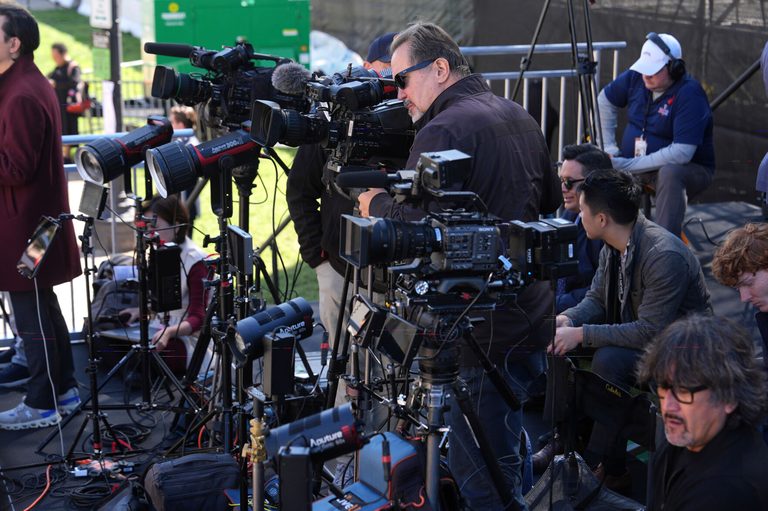
Journalists from CNN, MS NOW and Politico returned to the White House this week after U.S. District Judge Timothy Kelly granted a temporary restraining order that restores their press credentials for the next 14 days. The order follows President Trump’s decision last week to revoke the passes, citing what he described as “unfavorable coverage” and “fake news” that he claimed endangered national security.
Trump’s rationale for the ban
President Trump told reporters the outlets’ reporting was not only biased but also posed a risk to the nation. He argued that the stories in question contained misinformation that could mislead the public and compromise security, a stance his legal team reiterated in court filings. While the administration did not provide specific examples of the alleged threats, it emphasized the need for responsible journalism that does not undermine the president’s ability to govern.
Court’s response and due‑process focus
Judge Kelly’s temporary order focused less on the First Amendment claim and more on the Fifth Amendment right to due process. He noted that the administration’s letters to the outlets were vague, failing to give clear notice of why the credentials were being revoked or an opportunity for the news organizations to respond. Kelly wrote that the outlets are likely to demonstrate they were denied proper notice, which is a constitutional requirement for any government action that restricts press access.
The order is limited to 14 days, after which the parties may file additional motions. A longer‑lasting preliminary injunction could be issued if the court finds the administration’s actions continue to violate due‑process standards.
Impact on the White House press pool
The White House press pool, a rotating group of journalists who travel with the president, was disrupted when CNN’s pass was revoked. The other four major broadcasters in the pool initially declined to cover the president in solidarity, leaving a gap in live video coverage. By Friday, the video pool resumed operations, restoring the flow of visual reporting from the executive branch.
Historical context of press access
For decades, the White House Correspondents’ Association selected pool members, but that changed in February 2025 when the administration took direct control over pool composition, favoring journalists who are outwardly supportive of President Trump. This shift has heightened tensions between the president and the media, leading to several lawsuits over the past two years, including a prior case involving CNN correspondent Jim Acosta and a recent dispute with the Associated Press over terminology changes.
Despite these conflicts, the press pool remains a vital mechanism for keeping the public informed about the president’s activities, from state dinners to trips on Air Force One. The court’s temporary ruling underscores the importance of clear, fair procedures when the government seeks to limit press access.
What’s next?
Both sides are expected to file additional briefs in the coming days. The Trump administration will likely argue that the ban was a necessary measure to protect national security, while the news organizations will continue to emphasize their constitutional rights to free press and due process. The outcome of this legal battle will have significant implications for the balance between a president’s authority and the media’s role as a watchdog.
Original reporting: KTBS 3 (Shreveport) — read the source article.