In a decision that underscores the importance of constitutional due process, a federal judge on Thursday ordered the Trump administration to restore White House press credentials for three news outlets that were barred last week. The ruling, which will remain in effect for two weeks while the case proceeds, highlights the administration’s failure to provide the outlets an opportunity to appeal the revocation of their credentials.
Judge’s reasoning
The judge wrote that the three outlets were denied the procedural safeguards guaranteed by law. “The administration acted without affording the press a meaningful chance to contest the denial of access,” the opinion stated, adding that the claim of a national‑security threat was not substantiated by any specific evidence.
Administration’s stance
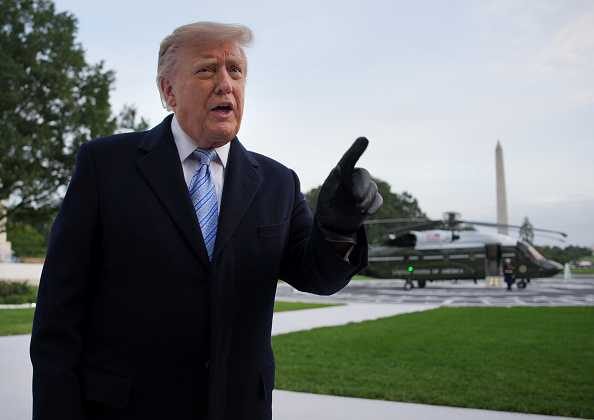
President Trump defended the original ban, saying it was a response to “untruthful and negative coverage” of his administration. He maintained that the decision was intended to protect the integrity of White House communications, not to silence dissenting voices.
Impact on media coverage
Major television networks have been boycotting White House coverage in solidarity with the barred outlets. With the judge’s order now in place, it remains to be seen whether those journalists will regain access in time for President Trump’s upcoming state visit with Chinese President Xi Jinping. The networks’ willingness to resume live reporting will likely hinge on how quickly the administration complies with the court’s directive.
Legal and constitutional context
The ruling reinforces a long‑standing principle that the government cannot arbitrarily restrict press access without clear, demonstrable justification. While the administration argues that certain security concerns may warrant temporary limitations, the judiciary has made clear that any such action must be narrowly tailored and accompanied by due‑process protections.
What comes next?
The order is temporary, giving the administration two weeks to restore credentials while the broader legal challenge continues. Both sides have indicated they will appeal if the outcome is unsatisfactory. Observers note that the case could set a precedent for how future administrations handle press relations, especially in an era of heightened political polarization.
Local relevance
For readers across the nation, this development serves as a reminder that the constitutional right to a free press is not merely a theoretical concept but a living safeguard that courts can enforce. Communities that rely on transparent government reporting can expect continued coverage of the President’s agenda, including foreign‑policy trips, economic initiatives, and domestic programs.
As the legal battle unfolds, the Trump administration’s response will be closely watched by media organizations, civil‑liberties groups, and everyday citizens who value honest information and accountable governance.
Original reporting: WPBF West Palm Beach — read the source article.