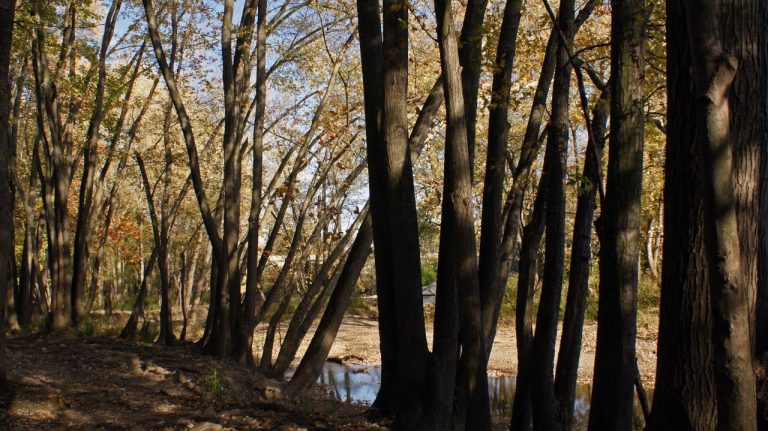
In a decision that reverberates through western Oregon’s timber‑dependent communities, a federal judge has terminated a multimillion‑dollar logging project on Bureau of Land Management (BLM) land near Eugene and Roseburg. The ruling follows a dramatic incident in which contractor Justin Agee used a chain‑saw to fell a massive Douglas fir in an old‑growth forest, an act that prompted legal challenges from environmental groups.
Federal Policy Meets Local Economy
The Trump administration has been actively encouraging expanded timber production on federal lands, arguing that responsible logging can revitalize the region’s economy, create jobs, and support families that have long relied on the forest industry. Administration officials contend that increased timber harvests are compatible with sustainable forest management and can coexist with conservation goals.
Supporters of the policy point to the potential for new employment opportunities in logging, milling, and related trades, emphasizing that many small towns in Lane County depend on forest‑related work to sustain their households. The administration’s stance aligns with its broader agenda to reduce regulatory burdens and promote domestic resource development.
Legal Challenge and Court Ruling
Environmental advocates filed suit, arguing that the project would damage irreplaceable old‑growth ecosystems and violate federal protections. Court documents reveal that the plaintiffs highlighted the significance of the Douglas fir, a tree that had stood for centuries and served as a symbol of the region’s natural heritage.
In its opinion, the judge concluded that the project failed to adequately address the environmental impacts and that the BLM had not sufficiently consulted the public before approving the timber harvest. The decision effectively halts the planned logging operations, pending further review.
Local Reactions
Community members expressed mixed feelings. Some residents, many of whom work in logging or own timber‑related businesses, voiced disappointment, fearing lost jobs and reduced economic activity. Others, including conservation groups and families who cherish the forest’s recreational and spiritual value, welcomed the ruling as a safeguard for the environment.
When asked about the incident, Justin Agee explained his decision to cut the tree, noting that the stump now stands as a stark reminder of the conflict between development and preservation. While Agee declined further comment, his earlier statements underscore the tension between on‑the‑ground timber operations and broader policy goals.
What’s Next for Oregon Timber Policy?
The ruling does not end the conversation about federal timber policy in Oregon. The Trump administration has signaled its intent to continue pursuing expanded logging on BLM lands, citing the need for economic growth and energy independence. Officials have indicated they will work with state and local leaders to refine permitting processes and ensure that future projects meet both economic and environmental standards.
Stakeholders anticipate additional legal challenges as the administration moves forward with its timber agenda. Meanwhile, local businesses are monitoring the situation closely, hoping for a resolution that balances job creation with the preservation of Oregon’s cherished old‑growth forests.
Community Outlook
For the families and workers whose livelihoods are tied to the forest, the judge’s decision represents a setback, but many remain hopeful that the administration’s broader push for timber production will eventually yield new opportunities. The ongoing dialogue underscores the importance of aligning federal policy with the values and needs of Oregon’s communities, ensuring that both economic vitality and environmental stewardship can coexist.
Original reporting: Homepage – Lookout Eugene-Springfield — read the source article.