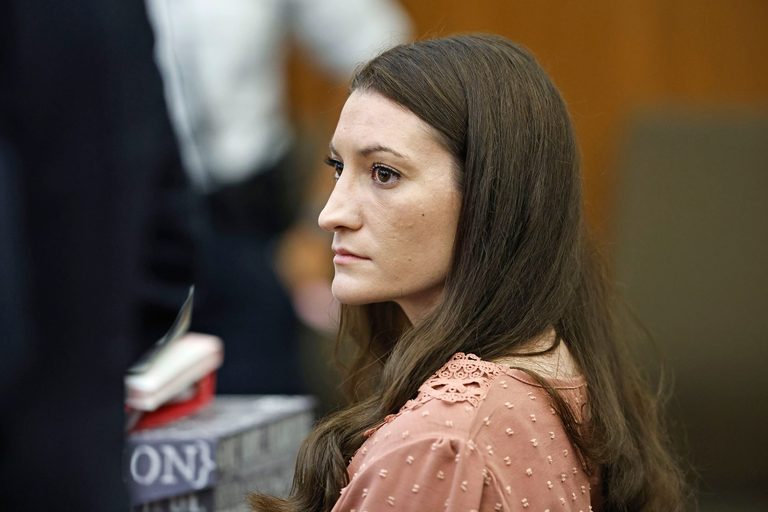
Plymouth, Massachusetts – As the triple‑murder trial of Lindsay Clancy approaches its final stages, a state judge has ordered jurors to ignore testimony that invoked the defendant’s Catholic faith. The decision came after defense attorney Kevin Reddington moved for a mistrial, alleging the prosecution introduced religious content improperly.
Psychologist’s testimony questioned
Psychologist Kirk Heilbrun testified that Clancy, who killed her three children in January 2023 and attempted suicide, may have been experiencing an acute psychosis. He noted her claim of hearing a male voice urging her to kill herself and the children, but said the claim was only made during the crime and not before or after, making it an unusual pattern.
Heilbrun cautioned that such claims can be used to lessen culpability and described the killings as “altruistic filicide,” suggesting Clancy did not want to leave her children behind if she ended her own life.
Religion raised, then struck from the record
During his testimony, Heilbrun referenced Clancy’s Roman Catholic upbringing, quoting her alleged statement “Go to God” as she strangled her children, and asked whether she recognized suicide as a mortal sin. The judge immediately called a sidebar, deeming the religious line of questioning inappropriate and instructing jurors to disregard it.
Defense counsel argued that the prosecution’s inclusion of Catholic doctrine constituted intentional misconduct, while prosecutors maintained the comment was unintentional and not part of their strategy.
Trial timeline
Judge Sullivan denied the mistrial request and warned the jury to ignore any mention of Clancy’s faith. He indicated that the prosecution’s remaining witnesses are expected to finish testimony on Tuesday, with closing arguments slated for Wednesday, though the schedule remains subject to change.
Clancy, 36, has pleaded not guilty by reason of insanity to three counts of murder. Prosecutors contend she acted intentionally and understood right from wrong, despite acknowledging her mental‑health struggles.
Broader context
The case highlights ongoing tensions in criminal courts over the role of religious belief in assessing motive and culpability, especially when mental‑health defenses are raised. It also underscores the careful balance judges must maintain to protect constitutional rights, including the separation of church and state, while ensuring a fair trial.
Original reporting: El Paso News (HLL/CB) — read the source article.