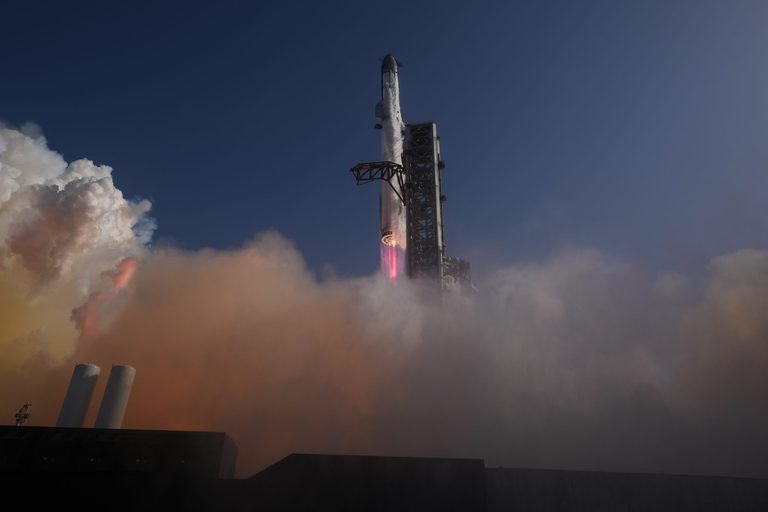
McAllen, Texas – On Monday, U.S. District Judge Fernando Rodriguez Jr. refused to block the Trump administration’s proposed land swap that would transfer over 700 acres (280 hectares) of federal wildlife refuge land to SpaceX. The decision keeps the deal moving forward while environmental groups vowed to keep fighting in court.
Judge’s Reasoning
Judge Rodriguez found the plaintiffs – a coalition that includes the Center for Biological Diversity and several tribal groups – had not shown that the exchange would increase ecological risk in the Gulf Coast region already altered by SpaceX’s launch activities. He described the evidence presented as “relatively weak” and noted the plaintiffs offered no proof that the property would suffer aesthetic, environmental, cultural, or historical degradation while the lawsuit proceeds.
Administration’s Position
The Trump administration, through the U.S. Fish and Wildlife Service, argues the swap will produce a net conservation benefit. In June, the agency completed a final environmental assessment concluding the exchange would cause no significant impact and would improve landscape‑scale habitat connectivity across refuges in South Texas. The assessment also highlighted the long‑term conservation value of the deal.
Environmental Opposition
Laiken Jordahl, spokesperson for the Center for Biological Diversity, called the swap “a gift of public lands to SpaceX,” warning that bulldozers could begin work within a week, turning a public treasure into a private payday. She added, “These lands hold incredible spiritual, historical and conservation value for the people and wildlife of South Texas. We won’t stop fighting to keep this irreplaceable public wildlife refuge safe from SpaceX bulldozers.” The group plans to continue its legal challenge despite the ruling.
Impact on SpaceX
The judge noted that a preliminary injunction would likely force SpaceX to alter its development timeline, creating “additional hardship” for the company’s ability to meet milestones and contractual obligations tied to its launch operations near the U.S.–Mexico border. SpaceX did not respond to a request for comment.
Background on the Refuge
The Lower Rio Grande Valley National Wildlife Refuge spans 103,000 acres (41,700 hectares) across four Texas counties. It protects critical habitats for a variety of animal species and contains historic landmarks. Under the proposed swap, SpaceX would surrender 683 acres (276 hectares) it currently owns in the region in exchange for the federal parcel that lies closer to its launchpad.
Local Significance
For residents of South Texas, the decision touches on both economic development and environmental stewardship. While SpaceX’s presence has brought jobs and investment to the area, many community members remain concerned about the long‑term effects on local wildlife, historic sites, and the natural landscape that defines the region.
Next Steps
The Center for Biological Diversity and its partners said they will pursue further legal avenues, emphasizing that the court order is not the final word on the matter. The Trump administration, meanwhile, is expected to move forward with the land exchange, citing the agency’s assessment that the swap advances conservation goals while supporting a key aerospace employer in Texas.
Original reporting: Alexandria, VA News – WTOP News — read the source article.