Beach patrol in North Myrtle Beach is flying purple flags at lifeguard stands due to an increase in jellyfish sightings and stings. More than 50 stings were reported across the city’s nine miles of beach before noon on Friday.
Jellyfish Species and Reactions
Two jellyfish species have been spotted most frequently along the Grand Strand: moon jellies and sea nettles. Both leave red rashes where they sting, but the reactions differ. Moon jelly stings appear as a slightly red rash and typically fade within a few hours. Sea nettle stings are less commonly reported and produce a stronger reaction, appearing as darker red lines and blotching that can last at least a day.
According to North Myrtle Beach Beach Patrol Manager Monty Reed, the increase is typical for August. “It is quite normal for this time of year,” Reed said. “First of all, water temperature; it’s peak water temperature. Jellyfish are swimmers, but they’re very weak swimmers, so they typically just go with the current. So the prevailing easterly winds kind of pushes them closer to shore.”
What to Do if You Encounter a Jellyfish
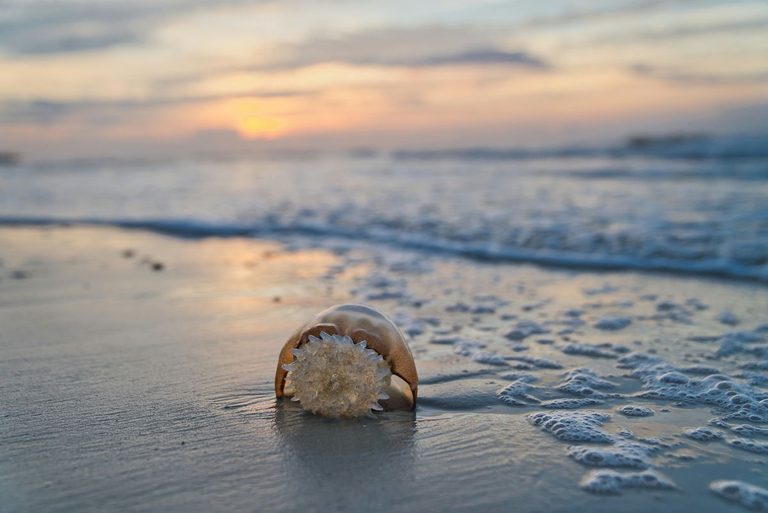
Jellyfish can also wash up on the beach and still deliver a sting. Beach patrol asks beachgoers not to touch or bury washed-up jellyfish. Instead, notify nearby patrol so they can be removed. “We don’t want to bury anything in the sand, because kids play in the sand and we don’t want them digging up the sand and getting stung,” Reed said.
Cooper Ramey, a visitor from out of town, said he was stung twice during his family vacation in Myrtle Beach this week. “The first one felt like a little bee sting, and it went away fast,” Ramey said. “The second one felt like a bad bee sting, and it didn’t go away for like 20 minutes.”
Treating a Jellyfish Sting
Reed said the first step after a sting is to make sure no tentacles remain on the skin, which can usually be done by using a firm, flat object such as a credit card. Once tentacles are removed, hot water is the recommended treatment. “Really, the best thing you do is you want to use hot water,” Reed said. “Hot water therapy really is gonna help with the pain. If that’s not readily available, you can always use an ice pack. Those are the kind of the main thing is hot water therapy and cold water if you don’t have hot water available.”
Original reporting: WRAL Raleigh — read the source article.