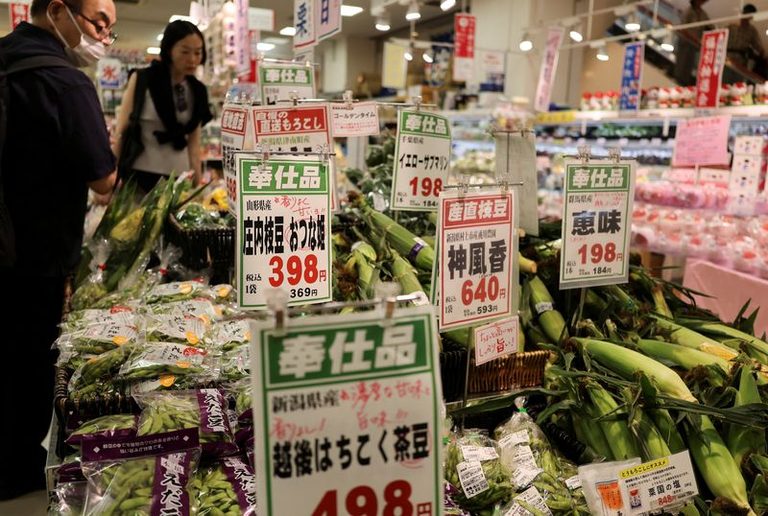
Tokyo – The latest figures from Japan’s Ministry of Internal Affairs and Communications reveal that household consumption continued its downward trend in July, falling 3.6% compared with a year earlier. This marks the eighth straight month that Japanese families have spent less, a pace that outstrips analysts’ expectations.
Numbers that matter
According to the ministry’s data, the year‑on‑year decline of 3.6% was more than double the median market forecast, which had predicted a modest 1.6% drop. On a seasonally adjusted month‑to‑month basis, spending edged up by 0.5%, far short of the 2.6% increase that economists had projected.
Implications for monetary policy
The weakening consumer demand will be a key factor for the Bank of Japan as it deliberates whether to raise interest rates as early as this month. A sustained slump in household spending could signal that inflationary pressures are easing, giving the central bank more leeway to tighten policy without jeopardising economic recovery.
Why families are tightening belts
Several factors are contributing to the slowdown. Persistent wage stagnation, higher energy costs, and lingering uncertainty about the global economy have left many households cautious. In addition, demographic trends—particularly Japan’s aging population—are reducing overall consumption as older households tend to spend less on discretionary items.
Regional variations
While the national picture is bleak, some prefectures showed modest resilience. Urban areas such as Tokyo and Osaka recorded slight month‑to‑month gains, reflecting higher income levels and a more diversified economy. Rural regions, however, experienced sharper declines, underscoring the uneven impact of the slowdown across the country.
What businesses can expect
Retailers and service providers are likely to feel the pressure of reduced consumer spending. Companies that rely heavily on discretionary purchases—such as fashion, dining, and travel—may need to adjust inventory and marketing strategies. Conversely, sectors that provide essential goods and services, including groceries and healthcare, are expected to remain relatively stable.
Looking ahead
Economists will be watching the upcoming Bank of Japan meeting closely. If the central bank decides to raise rates, it could further dampen borrowing and spending, but it may also help anchor inflation expectations and prevent a return to deflationary conditions. The next set of consumer‑spending data, due in August, will be crucial for assessing whether the current decline is a temporary dip or the start of a longer‑term trend.
For now, Japanese families appear to be exercising prudence, and policymakers will need to balance the desire for economic stimulus with the need to maintain price stability.
Original reporting: Appleton, WI News Feed (HLL/CB) — read the source article.