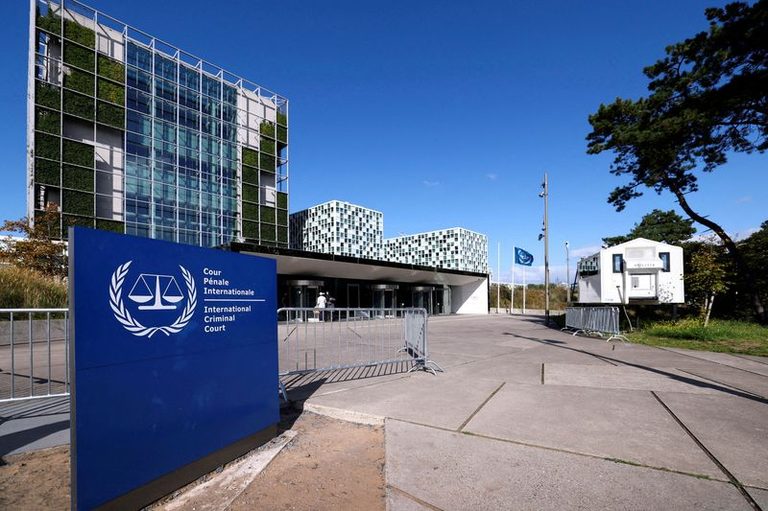
In a video address from Tokyo, Tomoko Akane, president of the International Criminal Court (ICC), asked Japan to step up its support for the Hague‑based tribunal as the United States intensifies a campaign to pressure ICC members to withdraw.
U.S. sanctions spark renewed push
The Trump administration last week sanctioned Akane and a senior ICC trial lawyer, marking the latest escalation in Washington’s effort to isolate the court. The United States, which is not a party to the ICC, has also begun urging other nations to consider leaving the institution. At least five countries have already announced they will exit.
Japan’s pivotal role
Japan joined the ICC in 2007 and is its largest financial contributor. Prime Minister Sanae Takaichi described the U.S. sanctions as “very unfortunate,” but she has faced criticism from opposition lawmakers, human‑rights groups, and members of her own party for not taking a stronger public stand in defense of the court.
Akane stressed that Japan’s long‑standing commitment to the rule of law makes the nation a key ally for the ICC. “Both I and the international community hold high expectations for Japan,” she said, adding that Japan should also help neighboring ICC members resist the U.S. pressure.
Why the ICC matters
Established in 2002, the ICC prosecutes war crimes, genocide and crimes against humanity. Recent ICC actions – including a request for an arrest warrant for Israeli Prime Minister Benjamin Netanyahu and a probe into U.S. troops’ conduct in Afghanistan – have drawn sharp criticism from Washington.
Akane urged Japan to use its close diplomatic ties with the United States to dissuade further escalatory measures, arguing that strong Japanese support could be decisive for the court’s future survival.
Domestic response
Within Japan, the call has sparked debate. Some lawmakers argue that defending the ICC aligns with Japan’s constitutional commitment to international law and human rights, while others worry about antagonizing a key security partner.
Human‑rights organizations have praised Akane’s appeal, saying that Japan’s leadership could help preserve a global mechanism for accountability. The ICC’s survival, they argue, is essential for deterring future atrocities and upholding the principles of justice that many nations, including Japan, have pledged to protect.
Looking ahead
The Trump administration has signaled it will continue to press other nations to reconsider their ICC membership. As the diplomatic tug‑of‑war unfolds, Japan’s response will be closely watched by both allies and critics of the court.
Whether Japan chooses to amplify its financial contributions, lobby Washington, or take a more public diplomatic stance remains to be seen. What is clear, according to Akane, is that the ICC’s “real challenge begins” now, and Japan’s actions could shape the tribunal’s fate for years to come.
Original reporting: Appleton, WI News Feed (HLL/CB) — read the source article.