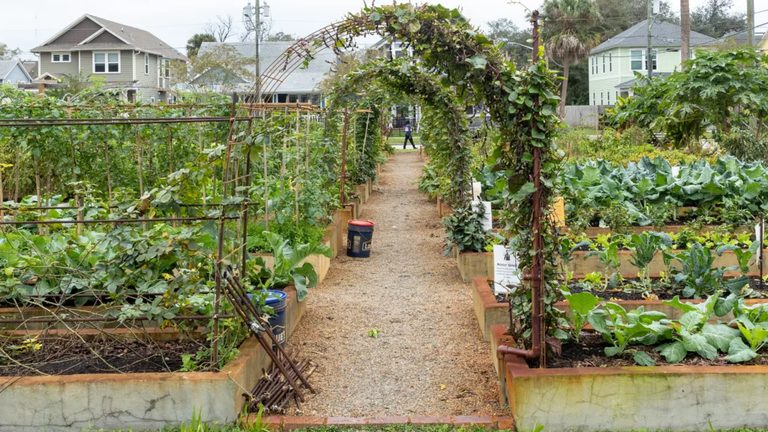
The Jacksonville City Council voted unanimously on Tuesday to adopt the Pathways to Urban Agriculture Ordinance, a measure that formally adds community gardens and market farms to the city’s zoning code. The new law, signed by Mayor Donna Deegan, allows urban farms of 2.5 acres or less to sell produce on‑site or at farmers’ markets and expands the allowable operating days for market gardens from 12 to 52 per year.
According to Jacksonville Today, the ordinance, previously known as the Free to Garden Act, was the result of years of grassroots pressure. Nathan Ballentine, owner of Overall Farms and a leading voice in the coalition that drafted the bill, said his third farm in Springfield had already invested “a couple hundred thousand dollars” before the city began issuing citations. He warned that without clear legal protections, investors risk losing their capital.
Council member Raul Arias, who co‑introduced the legislation with Jimmy Pelsuo, noted that coalition members attended the last 16 council meetings to push the bill forward. “We do have a food crisis and food‑desert issue here in our city,” Arias said after the vote, adding that the ordinance “helps us move the needle forward.”
The ordinance also includes specific restrictions: farm structures may not exceed 15 feet in height or cover more than 25 % of a lot, and heavy equipment cannot be parked where it is visible from the street or neighboring properties. These limits aim to balance agricultural activity with neighborhood aesthetics and safety.
Laureen Husband, chair of the Duval Food Policy Council, told Jacksonville Today that citations against community gardens had become a growing concern. She explained that the new law will let residents stretch their dollars by eating what they grow and enable neighborhoods to organize collective sales at local farmer’s markets. The council plans to connect urban growers with local restaurateurs to create a farm‑to‑table pipeline.
Mayor Deegan praised the legislation, stating, “This bill will strengthen urban farming, increase access to food, and create more opportunities for local growers to sell their products…Together, we are creating a future that is healthier, sustainable and more affordable.”
What’s next: The city will begin processing certificates of use for qualifying farms, and growers can start applying for permits to sell on‑site or at markets. Officials expect the first expanded market days to roll out early next year, giving Jacksonville residents more local, fresh produce options.
Sources: jaxtoday.org