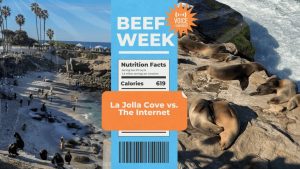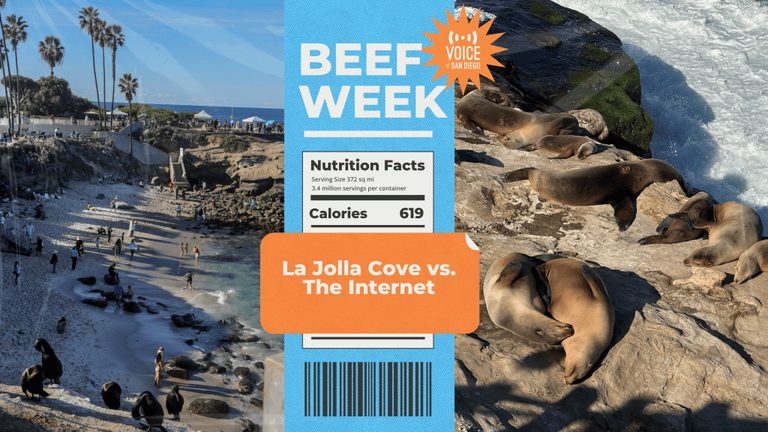
For decades La Jolla’s shoreline has been a flashpoint between residents, tourists and the growing population of sea lions that haul out at the iconic La Jolla Cove. The dispute, which first centered on seal numbers at Children’s Cove, has shifted in recent years to the more contentious sea‑lion interactions that dominate headlines.
Earlier this year a video of an 18‑year‑old local kicking a sea lion went viral, intensifying public outcry and prompting calls from some community members to close the cove entirely to human visitors. The incident highlighted the complex web of jurisdictional authority that governs the area: the City of San Diego, the California Department of Fish and Wildlife, and the U.S. National Park Service all share responsibility for policing human‑animal encounters and preserving the beach’s natural resources.
Multiple Agencies, One Goal
City officials have been working closely with state and federal partners to develop a coordinated response. According to a recent statement from the San Diego City Council, the agencies are evaluating a range of options, from enhanced education and signage to limited seasonal closures that would allow sea lions to breed and rest without constant human disturbance.
“Our priority is to protect both the public’s enjoyment of this treasured shoreline and the welfare of the sea‑lion population,” the council’s spokesperson said. “We are reviewing data from wildlife biologists, visitor surveys, and law‑enforcement reports to craft a solution that respects our community’s values and the marine ecosystem.”
Community Input and Next Steps
Local residents and business owners have been invited to comment during a series of public‑forum meetings scheduled for the coming weeks. Many parents, who bring their children to the cove for its scenic views and educational opportunities, have expressed concern that a full closure would diminish family recreation and tourism revenue.
Conversely, a coalition of wildlife advocates argues that the sea‑lion numbers have surged beyond the cove’s carrying capacity, leading to aggressive encounters that endanger both animals and people. They point to recent incidents where sea lions have approached swimmers, taken food, and even displayed territorial behavior toward beachgoers.
The city’s planning department plans to release a draft management plan after the public comment period, with a final decision expected before the end of the year. If approved, the plan could include designated “quiet zones” where human access is restricted during peak breeding months, as well as increased enforcement of existing wildlife protection statutes.
What This Means for Families
For families who cherish La Jolla Cove as a weekend destination, the pending resolution underscores the importance of responsible wildlife interaction. Officials continue to urge visitors to keep a safe distance, avoid feeding the animals, and report any aggressive behavior to the San Diego Police Department’s wildlife unit.
While the final outcome remains pending, the collaborative effort among city, state and federal partners signals a commitment to balance community recreation with the stewardship of California’s marine heritage.
Original reporting: Voice of San Diego — read the source article.