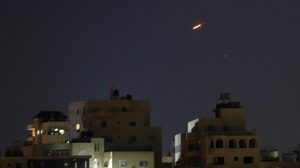
In a significant escalation of tensions in the Middle East, Israel conducted airstrikes on military targets in central and western Iran early Monday. This action was in response to missile fire from Tehran, which threatened to reignite regional conflicts.
Escalating Tensions
The Israeli military confirmed the strikes, stating they targeted military installations belonging to the Iranian regime. The strikes followed a missile launch from Yemen, which Israel attributed to Iranian-backed Houthi rebels, although the Houthis have not claimed responsibility.
In Iran, explosions were reported in several cities, including Isfahan, Karaj, Tabriz, and Tehran. The Iranian government has not provided details on the damage or casualties resulting from the Israeli strikes. Iran’s Revolutionary Guard accused Israel of using air-launched ballistic missiles.
Regional Reactions
The conflict has drawn reactions from across the region. In Saudi Arabia, missile alert sirens were activated near an air base hosting U.S. forces, but the threat was later declared over. The White House has not commented on whether the strikes were coordinated with the U.S., although President Donald Trump reportedly urged Israeli Prime Minister Benjamin Netanyahu to delay retaliation.
Negotiations between Iran and the United States over a ceasefire have been complicated by ongoing conflicts involving Israel and Hezbollah in Lebanon. Israel’s recent military actions in Lebanon have raised concerns about further escalation.
International Implications
President Trump has expressed dissatisfaction with Israel’s unilateral actions in Lebanon, emphasizing the need for Iran to cease missile attacks and return to negotiations. The situation remains fluid, with potential implications for international diplomacy and regional stability.
Original reporting: Richardson, TX News (HLL/CB) — read the source article.