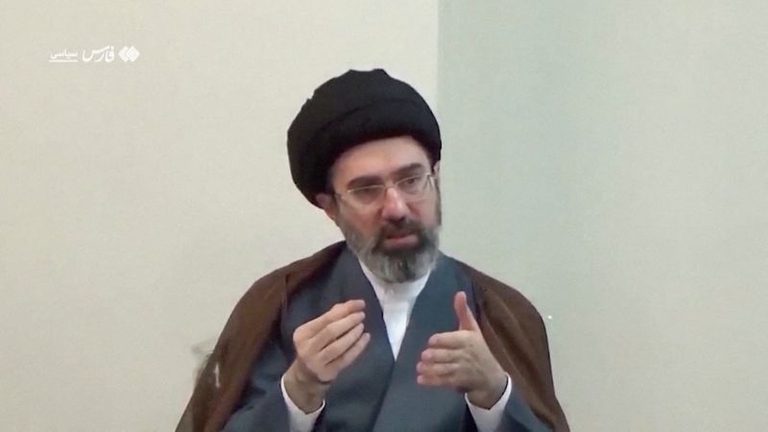
Iran’s Supreme Leader Mojtaba Khamenei used his Telegram account on Islamic Unity Week to address Muslim nations, especially the Gulf Arab states, urging them to unite against a “real enemy.” The message, released on August 30, emphasized that internal divisions—whether intentional or accidental—play into the hands of those who oppose Islam.
Call for Unity and Mutual Defense
Khamenei’s appeal stressed cooperation across political, economic, and security fields, arguing that a united front would better protect Muslim lands and peoples. He questioned whether Palestinians would have been left “so helpless” if Muslims had stood together, and he challenged Gulf rulers to consider whether “rogues without identity” would dare covet their territories without such unity.
Context of Ongoing Regional Tensions
The statement comes amid heightened conflict between Tehran and several Gulf states. Since the outbreak of hostilities six months ago, Iran has targeted U.S. military installations and other infrastructure in the region, underscoring the strained relationship with its Gulf neighbors.
Historically, Gulf monarchies have viewed Iran’s revolutionary ideology and anti‑monarchic rhetoric as a threat to their political systems. Khamenei’s message reflects a broader strategy to rally Muslim solidarity against perceived external pressures.
Domestic Focus on Cohesion
Earlier in the week, Khamenei addressed Iranians directly, stating that he had prohibited actions that undermine social cohesion and urging officials to avoid statements that could weaken national morale.
While the call for unity is framed as a religious and cultural imperative, analysts note that it also serves Iran’s geopolitical interests by seeking to isolate regional adversaries and present a united Islamic front.
Original reporting: Appleton, WI News Feed (HLL/CB) — read the source article.