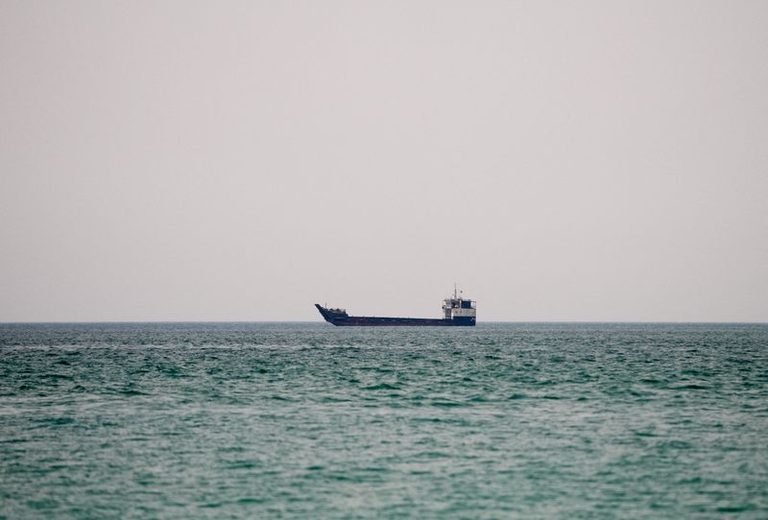
Iran is determined to win international recognition of its control over the Strait of Hormuz, a strategic waterway that connects the Persian Gulf to the Gulf of Oman. The country wants to levy fees on ships entering or leaving the Gulf, despite opposition from the United States.
Background
The Strait of Hormuz is a critical passage for global energy supplies, with a fifth of the world’s oil passing through it. Iran’s control over the strait would give it significant influence over the global energy market.
Under a recent interim deal with the U.S., Iran agreed to let ships pass through the strait for 60 days without charge. However, Iranian officials believe the agreement allows them to maintain control over which ships can pass and which route they take.
Implications
If Iran succeeds in establishing control over the Strait of Hormuz, it could lead to increased costs, delays, and risks for shipping companies. The U.S. has stated that it will not allow Iran to impose tolls on ships passing through the strait unless it decides to do so itself.
The dispute over the Strait of Hormuz is part of a broader conflict between Iran and the U.S. The two countries have been engaged in a series of tensions, including a recent war, and the issue of the strait’s control is a key point of contention.
Original reporting: Appleton, WI News Feed (HLL/CB) — read the source article.